
 Season of Fire: The Confederate Strike on Washington The Confederacy's last effort to do something meaningful by trying to attacked Washington DC. The Confederate forces came pretty close to success. The battle at Monocacy River and fighting in the District of Columbia where President Lincoln came under fire at Fort Stevens | Cool Spring |
 Jubal's Raid: General Early's Famous Attack on Washington in 1864 General Grant was hammering at the gates of Richmond and the Confederacy seemed doomed. In a bold and desperate stroke, General Lee countered by sending General. Early and a force of only twelve thousand men toward Washington, D.C. |
|
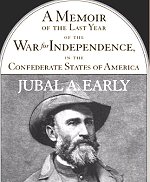 A Memoir of the Last Year of the War for Independence in the Confederate States of America Ranked among the most important generals who fought with Lee's Confederate Army of Northern Virginia. He played principal roles at the battles of First Manassas, Chancellorsville, Gettysburg, and most of the other engagements in the Eastern Theater |
 The Northern Railroads in the Civil War, 1861-1865 Account of the impact of the railroads on the American Civil War and vice versa. How the North was helped to victory through its effective use of the rails, also how the war changed the way railroads were built, run and financed after the war. |
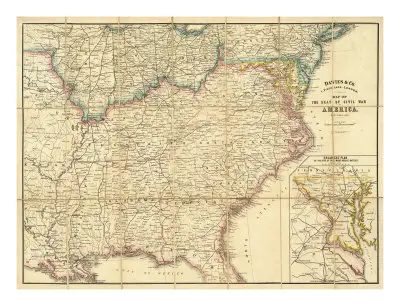
Map of the Seat of Civil War In America, c.1862 48 in. x 36.6 in. Buy at AllPosters.com Framed |
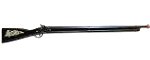 Civil War Musket Wood & Steel Frontier Rifle Designed After The Original Rifle 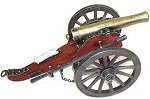 Civil War Cannon Collectible Models and childrens playsets Miniature Collectible Civil War Cannon12 pound Civil War field cannon replica | Virginia State Battle Map 1864 State Battle Maps Ships and Naval Battles Civil War Submarines Appomattox Courthouse President Abraham Lincoln Confederate Commanders American Civil War Exhibits Civil War Summary Women Civil War Soldiers Reenactors Supplies |  Civil War Soldier 102 Piece Playset
|
Kindle Available Battle of Monroe's Crossroads and the Civil War's Final Campaign Detailed tactical narrative of this important but long-forgotten battle, and places it in its proper context within the entire campaign. Author Eric Wittenberg study features 28 original maps and 50 illustrations. Finally, an author of renown has brought to vivid life this overlooked portion of the Carolinas Campaign |
Kindle Available Naval Strategies of the Civil War: Confederate Innovations and Federal Opportunism Compare and contrast the strategies of the Southern Secretary of the Navy, Mallory, against his rival in the North, Welles. Mallory used technological innovation and the skill of individuals to bolster the South's seapower against the Union Navy's superior numbers |
Kindle Available The Rise and Fall of the Confederate Government Jefferson Davis' point of view is essential to understanding the causes of the Civil War. |
Kindle Available The Waterman's Song: Slavery and Freedom in Maritime North Carolina Chronicles the world of slave and free black fishermen, pilots, rivermen, sailors, ferrymen, and other laborers who, from the colonial era through Reconstruction, plied the vast inland waters of North Carolina from the Outer Banks to the upper reaches of tidewater rivers |
|||||||||||||||||||||||||||||||||||||||||||||||||||||||||||||||||||||||||||||||||||||||||||||||||||||||||||||||||||||||||||||||||||||||||||||||||||||||||||||||||||||||||||||||||||||||||||||||||||||||||||||||||||||||||||||||||||||||||||||||||||||||||||||||||||||||||||||||||||||||||||||||||||||||||||||||||||||||||||||||||||||||||||||||||||||||||||||||||||||||||||||||||||||||||||||||||||||||||||||||||||||||||||||||||||||||||||||||||||||||||||||||||||||||||||||||||||||||||||||||||||||||||||||||||||||||||||||||||||||||||||||||||||||||||||||||||||||||||||||||||||||||||||||||||||||||||||||||||||||||||||||||||||||||||||||||||||||||||||||||||||||||||||||||||||||||||||||||||||||||||||||||||||||||||||||||||||||||||||||||||||||||||||||||||||||||||||||||||||||||||||||||||||||||||||||||||||||||||||||||||||||||||||||||||||||||||||||||||||||||||||||||||||||||||||||||||||||||||||||||||||||||||||||||||||||||||||||||||||||||||||||||||||||||||||||||||||||||||||||||||||||||||||||||||||||||||||||||||||
Kindle Available Civil War on the Western Border, 1854-1865 Fanatical politics of the western frontier, immigrant abolitionists with loaded Spencer rifles funded by mysterious personages back East, cut-throats, gin heads and horse thieves, colorful character descriptions |
Kindle Available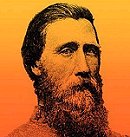 Advance And Retreat: Personal Experiences In The United States And Confederate States Armies John Bell Hood entered the Confederate Army at 29, loyal to Confederate Independence. He led his men into the battles of Second Manassas, Gaines's Mill, Sharpsburg, Fredericksburg, Gettysburg, and Chickamauga |
Kindle Available Vicksburg: The Campaign That Opened the Mississippi Confederate troops surrendered Vicksburg on July 4, 1863 a crucial port and rail depot for the South was lost |
Kindle Available CHICAGO'S BATTERY BOYS Organized in 1862 as part of John McClernand's 13th Corps, the battery participated in the arduous Vicksburg campaign. The artillerists performed well everywhere, Chickasaw Bluffs, Port Gibson, Champion Hill, Big Black River, and the siege of Vicksburg |
|||||||||||||||||||||||||||||||||||||||||||||||||||||||||||||||||||||||||||||||||||||||||||||||||||||||||||||||||||||||||||||||||||||||||||||||||||||||||||||||||||||||||||||||||||||||||||||||||||||||||||||||||||||||||||||||||||||||||||||||||||||||||||||||||||||||||||||||||||||||||||||||||||||||||||||||||||||||||||||||||||||||||||||||||||||||||||||||||||||||||||||||||||||||||||||||||||||||||||||||||||||||||||||||||||||||||||||||||||||||||||||||||||||||||||||||||||||||||||||||||||||||||||||||||||||||||||||||||||||||||||||||||||||||||||||||||||||||||||||||||||||||||||||||||||||||||||||||||||||||||||||||||||||||||||||||||||||||||||||||||||||||||||||||||||||||||||||||||||||||||||||||||||||||||||||||||||||||||||||||||||||||||||||||||||||||||||||||||||||||||||||||||||||||||||||||||||||||||||||||||||||||||||||||||||||||||||||||||||||||||||||||||||||||||||||||||||||||||||||||||||||||||||||||||||||||||||||||||||||||||||||||||||||||||||||||||||||||||||||||||||||||||||||||||||||||||||||||||||
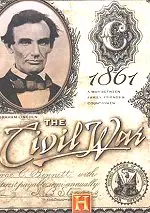 History Channel Presents The Civil War From Harper's Ferry, Fort Sumter, and First Bull Run to Shiloh, Antietam, and Gettysburg. The most legendary Civil War battles in brilliant detail. A selection of the soldiers and legendary leaders. |
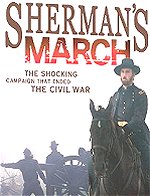 History Channel Presents Sherman's March In November 1864, Sherman and an army of 60,000 troops began their month-long march from Atlanta to Savannah. Burning crops, destroying bridges and railroads, and laying waste to virtually everything in his path |
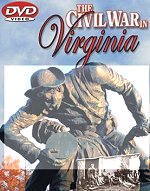 The Civil War in Virginia Virginia was the arena where North and South fought many of their bloodiest battles. the program gives a full account of the events that took place describing in detail the history of the American Civil War in Virginia |
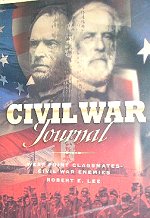 Civil War Journal, West Point Classmates - Civil War Enemies, Robert E. Lee Beyond the pages of history and into the personal stories behind the Great Conflict |
|||||||||||||||||||||||||||||||||||||||||||||||||||||||||||||||||||||||||||||||||||||||||||||||||||||||||||||||||||||||||||||||||||||||||||||||||||||||||||||||||||||||||||||||||||||||||||||||||||||||||||||||||||||||||||||||||||||||||||||||||||||||||||||||||||||||||||||||||||||||||||||||||||||||||||||||||||||||||||||||||||||||||||||||||||||||||||||||||||||||||||||||||||||||||||||||||||||||||||||||||||||||||||||||||||||||||||||||||||||||||||||||||||||||||||||||||||||||||||||||||||||||||||||||||||||||||||||||||||||||||||||||||||||||||||||||||||||||||||||||||||||||||||||||||||||||||||||||||||||||||||||||||||||||||||||||||||||||||||||||||||||||||||||||||||||||||||||||||||||||||||||||||||||||||||||||||||||||||||||||||||||||||||||||||||||||||||||||||||||||||||||||||||||||||||||||||||||||||||||||||||||||||||||||||||||||||||||||||||||||||||||||||||||||||||||||||||||||||||||||||||||||||||||||||||||||||||||||||||||||||||||||||||||||||||||||||||||||||||||||||||||||||||||||||||||||||||||||||||
 Blue Vs. Gray - Killing Fields Relive the most vicious fighting of the Civil War, in which General Ulysses S. Grant forcibly reversed the tide of the conflict by paying with the blood of thousands. It was a desperate time for the Union |
 Long Road Back to Kentucky: The 1862 Confederate Invasion The often-overlooked Western campaign of the war with a specific emphasis on Kentucky's involvement in the American Civil War. |
 History's Mysteries: Family Feud: The Hatfields And McCoys Millions of dollars worth of timber and coal rich land were at stake, the courts were involved and once the national press got wind of what was happening, the backwoods folk found that their fight was being followed nationwide |
 The Civil War - A Film by Ken Burns Here is the saga of celebrated generals and ordinary soldiers, a heroic and transcendent president and a country that had to divide itself in two in order to become one |
|||||||||||||||||||||||||||||||||||||||||||||||||||||||||||||||||||||||||||||||||||||||||||||||||||||||||||||||||||||||||||||||||||||||||||||||||||||||||||||||||||||||||||||||||||||||||||||||||||||||||||||||||||||||||||||||||||||||||||||||||||||||||||||||||||||||||||||||||||||||||||||||||||||||||||||||||||||||||||||||||||||||||||||||||||||||||||||||||||||||||||||||||||||||||||||||||||||||||||||||||||||||||||||||||||||||||||||||||||||||||||||||||||||||||||||||||||||||||||||||||||||||||||||||||||||||||||||||||||||||||||||||||||||||||||||||||||||||||||||||||||||||||||||||||||||||||||||||||||||||||||||||||||||||||||||||||||||||||||||||||||||||||||||||||||||||||||||||||||||||||||||||||||||||||||||||||||||||||||||||||||||||||||||||||||||||||||||||||||||||||||||||||||||||||||||||||||||||||||||||||||||||||||||||||||||||||||||||||||||||||||||||||||||||||||||||||||||||||||||||||||||||||||||||||||||||||||||||||||||||||||||||||||||||||||||||||||||||||||||||||||||||||||||||||||||||||||||||||||
U.S. National Park Service
U.S. Library of Congress.
|
Books Civil War Womens Subjects Young Readers Military History DVDs Confederate Store Civil War Games Music CDs Reenactors |
