|
|
|
|
Killed Wounded Missing Union Army: 15,849 Confederate Army: 20,614  Extraordinary Circumstances The Seven Days Battles One of the most decisive military campaigns in Western history, the Seven Days were fought in the area southeast of the Confederate capitol of Richmond from June 25 to July 1, 1862 |
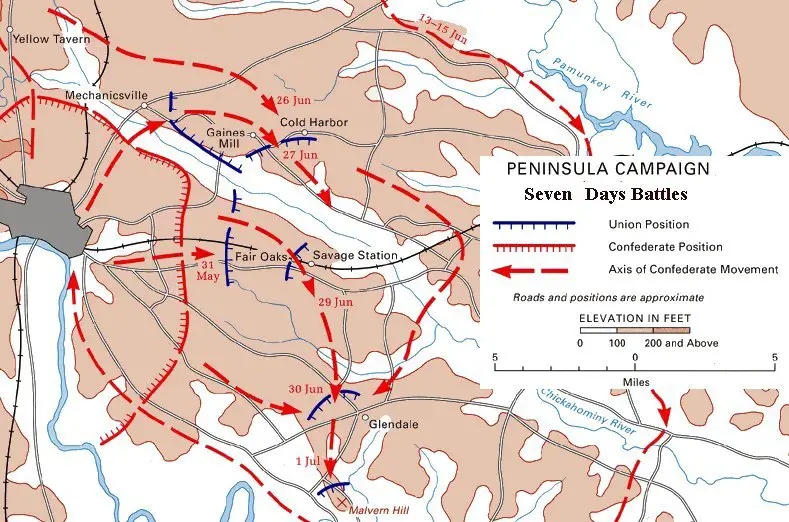
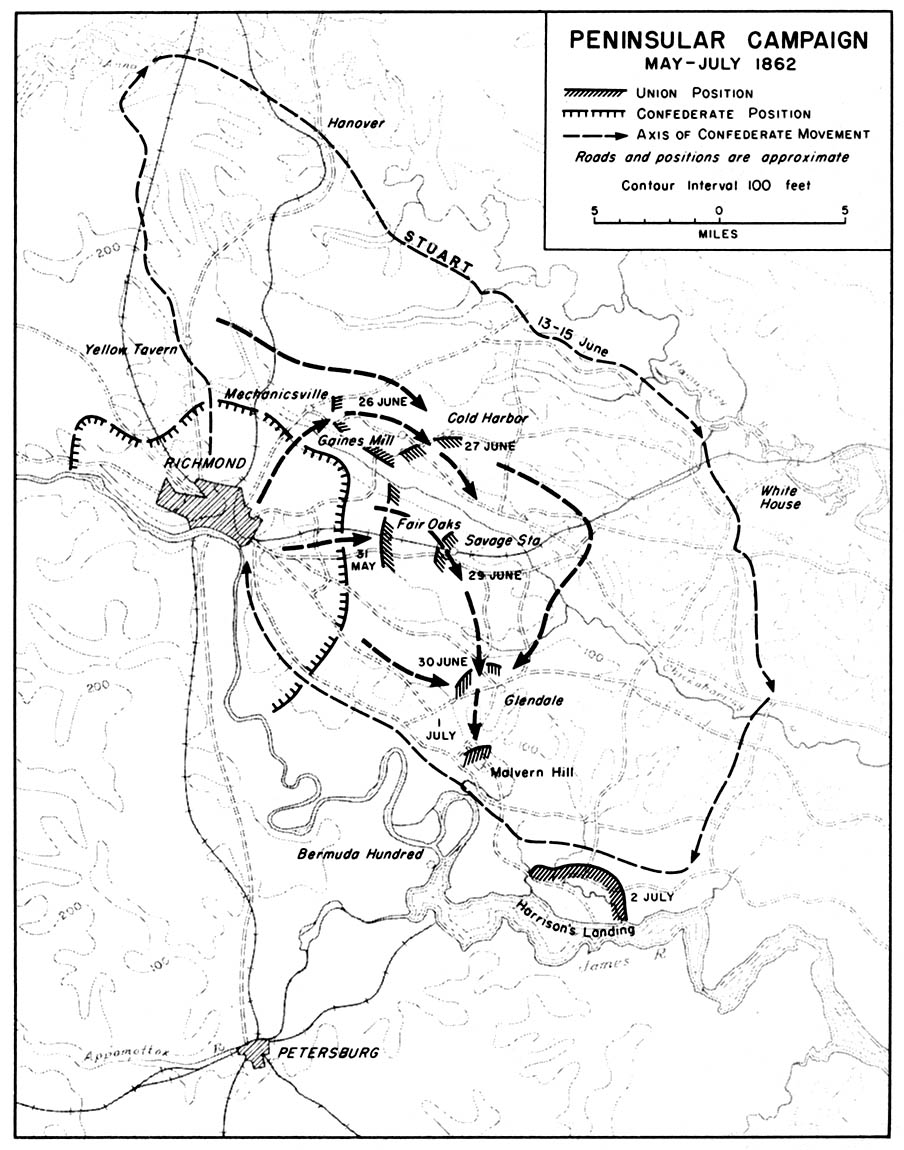
Seven Days Battles Map |
Battles of the Peninsular CampaignHampton RoadsYorktown Fort Magruder West Point Drewry's Bluff Hanover Court House Fair Oaks Station First Seven Days Battle Beaver Dam Creek Gaines' Mill Garnett's Farm Savage's Station White Oak Swamp Riddell's Shop Malvern Hill US Army Peninsula Campaign Map |
 The Official Virginia Civil War Battlefield Guide Virginia was host to nearly 1/3rd of all Civil War engagements. This guide covers them all like a mini-history of the war. This guide organizes battles chronologically. Each campaign has a detailed overview, followed by concise descriptions of the individual engagements |
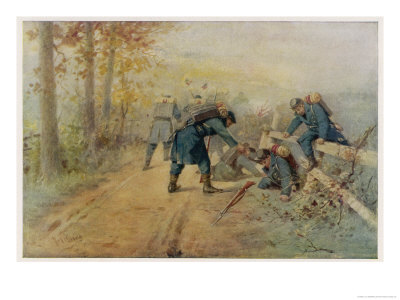 The Seven Days Battles, Federal Troops Flanking the Enemy 24 in. x 18 in. Buy at AllPosters.com Framed Mounted |
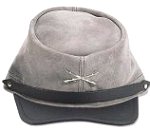 Civil War Confederate Suede Grey Kepi Hat 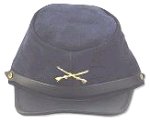 Civil War Union Suede Blue Kepi Hat |
|
Original Work The Seven Days By Joe Ryan  Echoes of Thunder A Guide to the Seven Days Battles This is a valuable and welcome addition to this series of battlefield guides. This book will provide you with a guide on the field or it will supplement reading about the American Civil War battle of The Seven Days. |
Kindle Available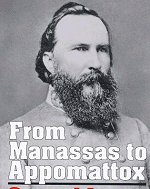 From Manassas to Appomattox: General James Longstreet According to some, he was partially to blame for the Confederate defeat at Gettysburg; according to others, if Lee had followed Longstreet's advice, they would have won that battle. He has been called stubborn and vain; and he has been lauded as one of the greatest tacticians of the Civil War  Joseph E. Johnston A Civil War Biography A biography of the public and private life of General Joseph E. Johnston, one of the most important Southern field commanders during the American Civil War |
Click to enlarge Peninsula Campaign Map |
Kindle Available The Richmond Campaign of 1862: The Peninsula and the Seven Days The Richmond campaign of 1862 ranks as one of the most important military operations of the American Civil War. Key political, diplomatic, social, and military issues were at stake as CSA General Lee and USA General McClellan met. |
Campaigns of the Civil War Civil War Exhibits Timeline of the War State Battle Maps Civil War Navy Ships Civil War Summary Civil War Picture Album Women of the Civil War Confederate Commanders Union Generals Civil War Submarines |
 Joseph E. Johnston and the Defense of Richmond The high-level conferences in Richmond to set strategy and the relationship of the Peninsula campaign to operations in the Shenandoah Valley and the western Confederacy. What emerges is a portrait of a general who was much more complex in thought and action than even his advocates have argued |
Kindle Available Civil War Curiosities: Strange Stories, Oddities, Events, and Coincidences |
 To The Gates of Richmond The Peninsula Campaign For three months General McClellan battled his way toward Richmond, but then CSA General Lee took command of the Confederate forces. In seven days, Lee drove the cautious McClellan out, thereby changing the course of the war |
 McClellan's Own Story Born in Philadelphia on December 3, 1826, George B. McClellan graduated from West Point in 1846 before serving in the Mexican War. At the start of the Civil War, McClellan was put in a position of leadership and after a successful campaign in Virginia he was given command of the Army of Potomac, one of the Union's strongest armies. He led the Peninsular campaign with almost 100,000 troops under his command. marching toward Richmond. |
 The Peninsula Campaign Of 1862: Yorktown To The Seven Days George B. McClellan got closer to Richmond than any previous Union general by a bold amphibious landing, but lost his advantage due to his own indecision and Robert E. Lee's superior generalship. |
|
Kindle Available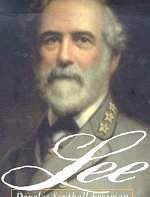 Robert E. Lee This book not only offers concise detail but also gives terrific insight into the state of the Union and Confederacy during Lee's life. Lee was truly a one of kind gentleman and American, and had Virginia not been in the south or neutral, he ultimately would have led the Union forces. |
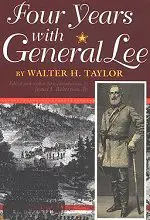 Four Years With General Lee Walter Taylor was staff officer to General Robert E. Lee. His book first appeared in 1877. For many years a standard authority on Confederate history, it is the source for dozens of incidents that have now become a part of every biography of Lee. |
 The Civil War Papers Of George B. Mcclellan: Selected Correspondence, 1860-1865 General-in-chief of the entire Union army at one point, he led the Army of the Potomac through the disaster at Antietam Creek, was subsequently dismissed by Lincoln, and then ran against him in the 1864 presidential campaign. This collection of McClellan's candid letters about himself, his motivations, and his intentions |
 George B. McClellan and Civil War History: In the Shadow of Grant and Sherman The complex general who, though gifted with administrative and organizational skills, was unable and unwilling to fight with the splendid army he had created. In this book, Rowland presents a framework in which early Civil War command can be viewed without direct comparison to the final two years of the war |
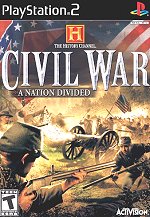 History Channel Civil War A Nation Divided Rally the troops and organize a counterattack -- Your strategic decision and talent as a commander will decide if the Union is preserved or if Dixie wins its independence |
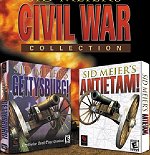 Sid Meier's Civil War Collection Take command of either Confederate or Union troops and command them to attack from the trees, rally around the general, or do any number of other realistic military actions. The AI reacts to your commands as if it was a real Civil War general, and offers infinite replayability. The random-scenario generator provides endless variations on the battles |
 History Channel Civil War Secret Missions There are about a half-dozen different small arms types, but the Henry is the best for rapid repeating fire and least reloading. The shotgun they give you is useless: you must aim spot-on to affect an enemy, so why not just use the rifle? Grenades are useful at times. |
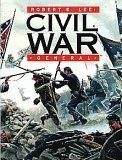 Robert E. Lee: Civil War General The game comes with two types of battles to choose from, 45 historical battles and more than 100 alternative ones. The alternative ones are usually smaller versions of the historical ones. Of great interest is the way the game handles campaigns. Not only does it string together varying numbers of individual scenarios but puts the emphasis on how well or poorly your army performs during battle |
Sources:
United States Military Academy
US Army
Library of Congress
National Park Service