 Echoes of Thunder A Guide to the Seven Days Battles This is a valuable and welcome addition to this series of battlefield guides. This book will provide you with a guide on the field or it will supplement reading about the American Civil War battle of The Seven Days. |
Malvern Hill
|
|
|
|
|
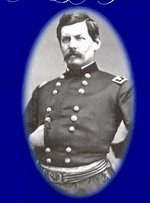 George B. Mcclellan The Young Napoleon By age 35, General George B. McClellan (1826–1885), designated the "Young Napoleon," was the commander of all the Northern armies. He forged the Army of the Potomac into a formidable battlefield foe, and fought the longest and largest campaign of the time as well as the single bloodiest battle in the nation's history Kindle Available  Civil War Medicine The staggering challenge of treating wounds and disease on both sides of the conflict. Written for general readers and scholars alike, this first-of-its kind encyclopedia will help all Civil War enthusiasts to better understand this amazing medical saga. Clearly organized, authoritative, and readable |
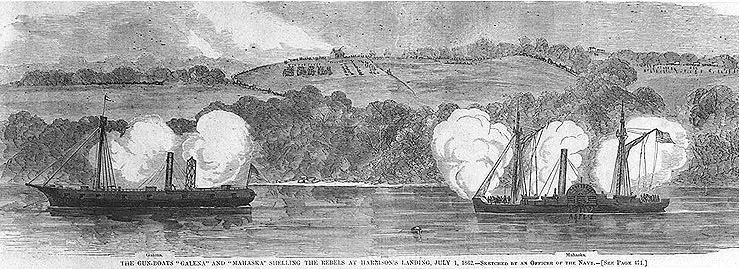
The Gun-boats Galena and Mahaska shelling the Rebels at Harrison's Landing, July 1, 1862
|
Original Work The Seven Days By Joe Ryan  Union River Ironclad 1861-65 At the start of the American Civil War, neither side had warships on the Mississippi River. In what would prove the vital naval campaign of the war, both sides fought for control of the river. While the Confederates relied on field fortifications and small gunboats, the Union built a series of revolutionary river ironclads |
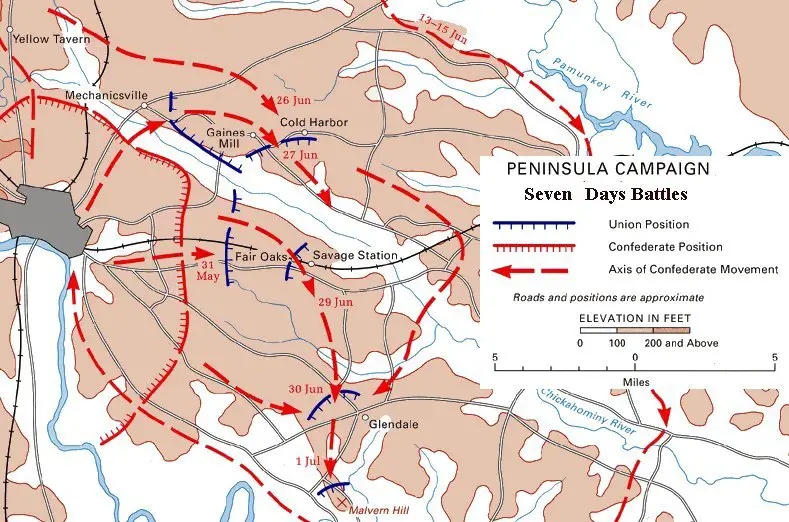
Richmond Virginia Area Civil War BattlesClick for Full size map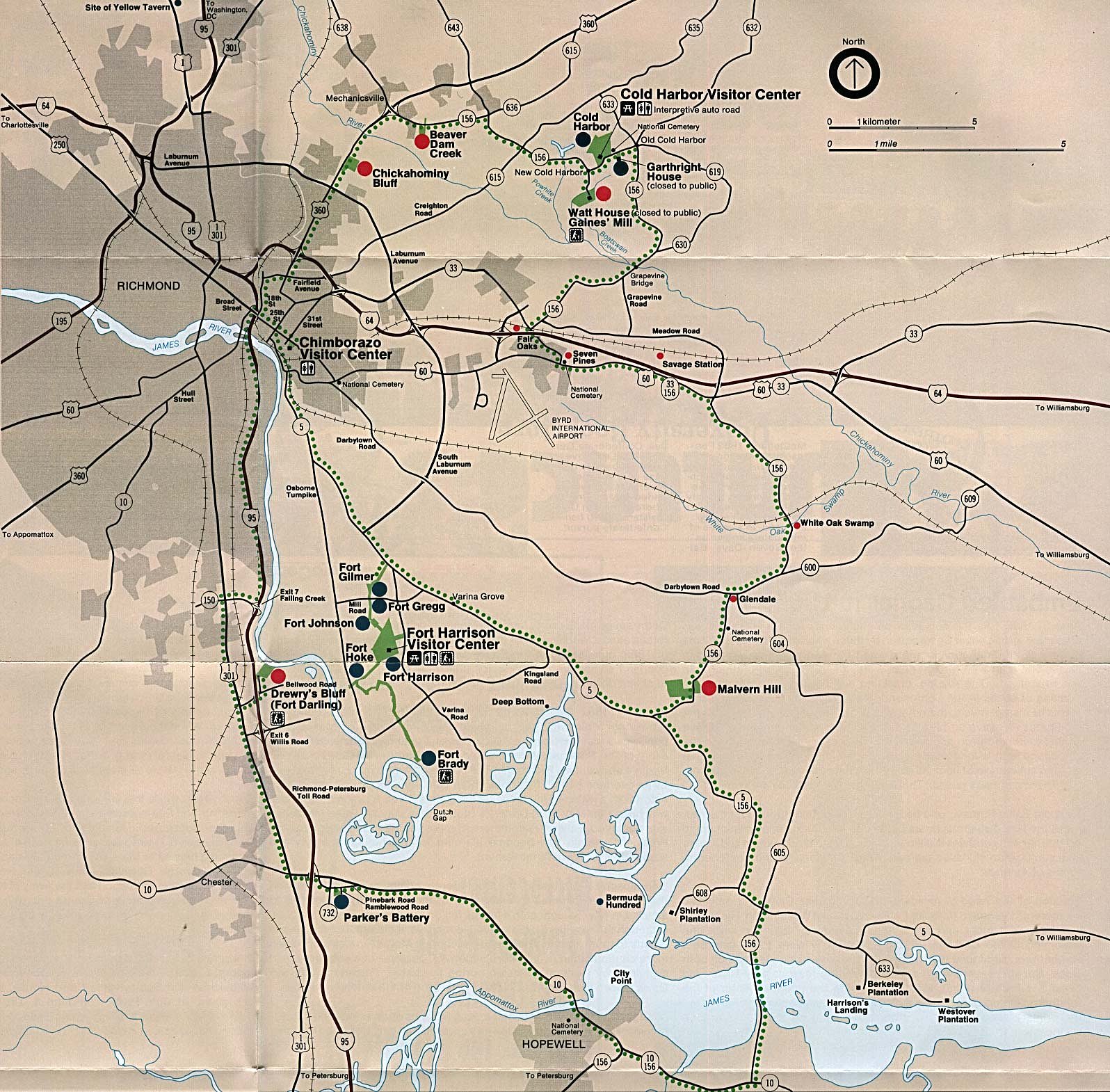 |
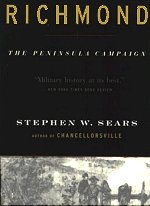 To The Gates of Richmond The Peninsula Campaign For three months General McClellan battled his way toward Richmond, but then CSA General Lee took command of the Confederate forces. In seven days, Lee drove the cautious McClellan out, thereby changing the course of the war |
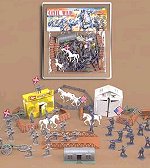 72 Piece Civil War Army Men Play Set 52mm Union and Confederate Figures, Bridge, Horses, Canon
|
Virginia State Battle Map 1862 State Battle Maps Civil War Submarines Confederate Commanders Civil War Picture Album Civil War Summary Kids Zone Gettysburg Kids Zone Underground Railroad American Civil War Exhibits Civil War Timeline Women in the War |
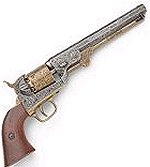 Civil War Model 1851 Naval Pistol  Civil War Musket |
 George B. McClellan and Civil War History: In the Shadow of Grant and Sherman The complex general who, though gifted with administrative and organizational skills, was unable and unwilling to fight with the splendid army he had created. In this book, Rowland presents a framework in which early Civil War command can be viewed without direct comparison to the final two years of the war |
 Counter-Thrust From the Peninsula to the Antietam A window into the Union's internal conflict at building a military leadership team. Lincoln's administration in disarray, with relations between the president and field commander McClellan strained to the breaking point. Shows how the fortunes of war shifted abruptly in the Union's favor, climaxing at Antietam. |
 Sword Over Richmond: An Eyewitness History Of McClellan's Peninsula Campaign Told through the words of participants and observers, both military and civilian, this book is an account of the events that followed George B. McClellan's appointment as commander of the Army of the Potomac, and his controversial Peninsula Campaign |
 Lee Vs. McClellan: The First Campaign An interesting account of the struggle for western Virginia in 1861. It follows that year's rolls of Generals McClellan and Lee; the former using the successes of the campaign to further his reputation and career, and the latter struggling to straighten out a quagmire and failing to do so |
Kindle Available The H. L. Hunley The Secret Hope of the Confederacy On the evening of February 17, 1864, the Confederacy H. L. Hunley sank the USS Housatonic and became the first submarine in world history to sink an enemy ship. Not until World War I "half a century later” would a submarine again accomplish such a feat. But also perishing that moonlit night, vanishing beneath the cold Atlantic waters off Charleston, South Carolina, was the Hunley and her entire crew of eight |
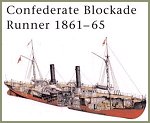 Confederate Blockade Runner 1861-65 The blockade runners of the Civil War usually began life as regular fast steam-powered merchant ships. They were adapted for the high-speed dashes through the Union blockade which closed off all the major Southern ports, and for much of the war they brought much-needed food, clothing and weaponry to the Confederacy |
 McClellan's Own Story Born in Philadelphia on December 3, 1826, George B. McClellan graduated from West Point in 1846 before serving in the Mexican War. At the start of the Civil War, McClellan was put in a position of leadership and after a successful campaign in Virginia he was given command of the Army of Potomac, one of the Union's strongest armies. He led the Peninsular campaign with almost 100,000 troops under his command. marching toward Richmond. |
 The Peninsula Campaign Of 1862: Yorktown To The Seven Days George B. McClellan got closer to Richmond than any previous Union general by a bold amphibious landing, but lost his advantage due to his own indecision and Robert E. Lee's superior generalship. |
Civil War History Documentary DVD Movie Titles |
| Search AmericanCivilWar.com |
| Enter the keywords you are looking for and the site will be searched and all occurrences of your request will be displayed. You can also enter a date format, April 19,1862 or September 1864. |