
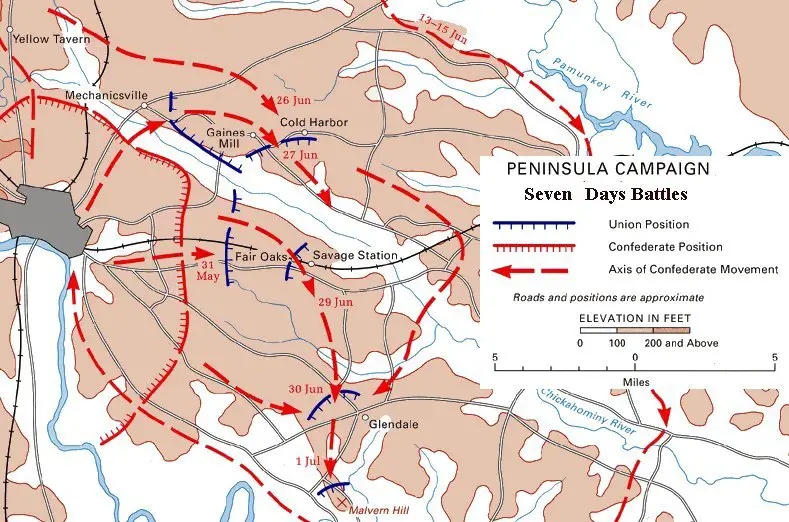
 Extraordinary Circumstances The Seven Days Battles One of the most decisive military campaigns in Western history, the Seven Days were fought in the area southeast of the Confederate capitol of Richmond from June 25 to July 1, 1862 | Gaines' Mill |
 Echoes of Thunder A Guide to the Seven Days Battles This is a valuable and welcome addition to this series of battlefield guides. This book will provide you with a guide on the field or it will supplement reading about the American Civil War battle of The Seven Days. |
|
 Counter-Thrust From the Peninsula to the Antietam A window into the Union's internal conflict at building a military leadership team. Lincoln's administration in disarray, with relations between the president and field commander McClellan strained to the breaking point. Shows how the fortunes of war shifted abruptly in the Union's favor, climaxing at Antietam. Special Order 191 Ruse of War? Kindle Available  The Long Road To Antietam: How the Civil War Became a Revolution In the summer of 1862, after a year of protracted fighting, Abraham Lincoln decided on a radical change of strategy—one that abandoned hope for a compromise peace and committed the nation to all-out war. The centerpiece of that new strategy was the Emancipation Proclamation: an unprecedented use of federal power that would revolutionize Southern society. |


 Sword Over Richmond: An Eyewitness History Of McClellan's Peninsula Campaign Told through the words of participants and observers, both military and civilian, this book is an account of the events that followed George B. McClellan's appointment as commander of the Army of the Potomac, and his controversial Peninsula Campaign |
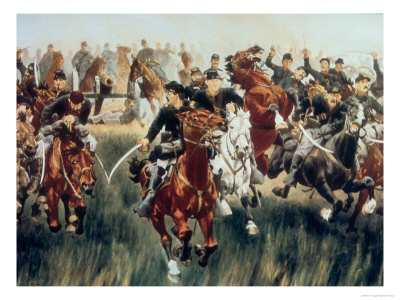
5th Us Cavalry Charge at Gaines Mill 27th June 1862 During the Peninsular Campaign 24 in. x 18 in. Buy at AllPosters.com Framed Mounted |
 Civil War Confederate Suede Grey Kepi Hat  Civil War Union Suede Blue Kepi Hat |
Kindle Available The Richmond Campaign of 1862: The Peninsula and the Seven Days The Richmond campaign of 1862 ranks as one of the most important military operations of the American Civil War. Key political, diplomatic, social, and military issues were at stake as CSA General Lee and USA General McClellan met. Original Work The Seven Days By Joe Ryan |
Gaines Mill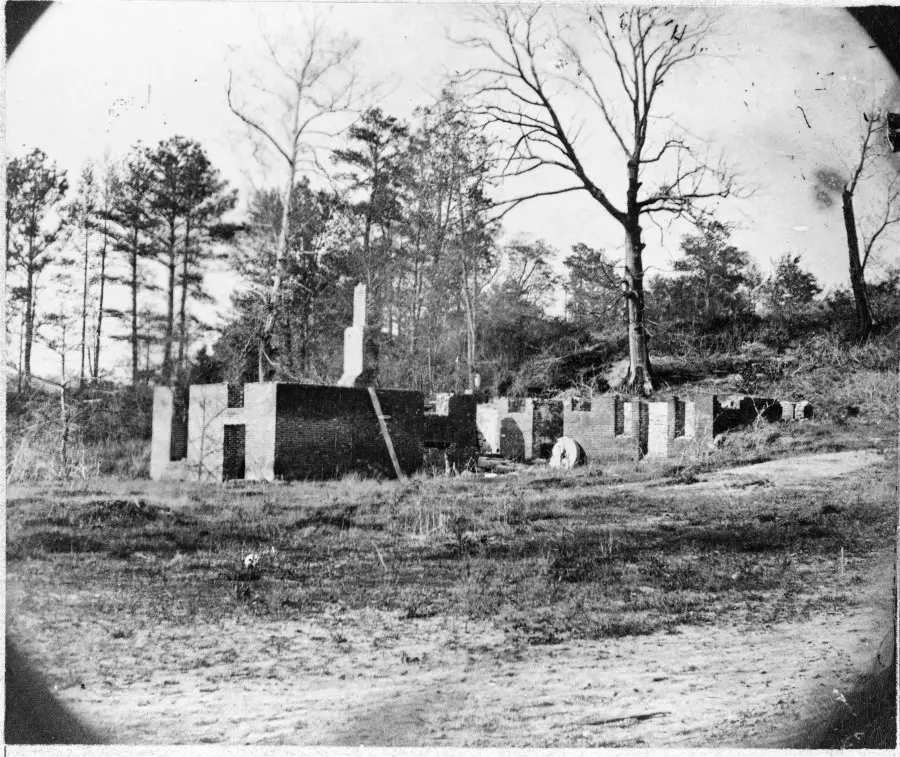
Note the Mill Stone left at the ruins |
 72 Piece Civil War Army Men Play Set 52mm Union and Confederate Figures, Bridge, Horses, Canon
| Virginia State Battle Map 1862 State Battle Maps Civil War Submarines Confederate Commanders Civil War Picture Album Civil War Summary Kids Zone Gettysburg Kids Zone Underground Railroad American Civil War Exhibits Civil War Timeline Women in the War |
 Civil War Model 1851 Naval Pistol 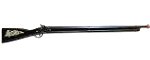 Civil War Musket |
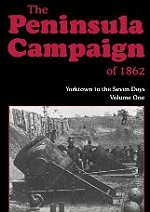 The Peninsula Campaign Of 1862: Yorktown To The Seven Days George B. McClellan got closer to Richmond than any previous Union general by a bold amphibious landing, but lost his advantage due to his own indecision and Robert E. Lee's superior generalship. |
Kindle Available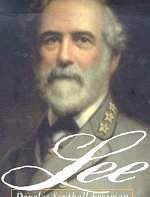 Robert E. Lee This book not only offers concise detail but also gives terrific insight into the state of the Union and Confederacy during Lee's life. Lee was truly a one of kind gentleman and American, and had Virginia not been in the south or neutral, he ultimately would have led the Union forces. |
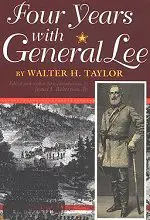 Four Years With General Lee Walter Taylor was staff officer to General Robert E. Lee. His book first appeared in 1877. For many years a standard authority on Confederate history, it is the source for dozens of incidents that have now become a part of every biography of Lee. |
Kindle Available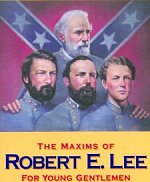 The Maxims Of Robert E. Lee For Young Gentlemen: Advice, Admonitions, and Anecdotes on Christian Duty and Wisdom from the Life of General Lee All his life, Robert E. Lee relied upon his faith for strength and guidance not only in troubled times, but also as the foundation upon which he based all of his dealings with others. |
|||||||||||||||||||||||||||||||||||||||||||||||||||||||||||||||||||||||||||||||||||||||||||||||||||||||||||||||||||||||||||||||||||||||||||||||||||||||||||||||||||||||||||||||||||||||||||||||||||||||||||||||||||||||||||||||||||||||||||||||||||||||||||||||||||||||||||||||||||||||||||||||||||||||||||||||||||||||||||||||||||||||||||||||||||||||||||||||||||||||||||||||||||||||||||||||||||||||||||||||||||||||||||||||||||||||||||||||||||||||||||||||||||||||||||||||||||||||||||||||||||||||||||||||||||||||||||||||||||||||||||||||||||||||||||||||||||||||||||||||||||||||||||||||||||||||||||||||||||||||||||||||||||||||||||||||||||||||||||||||||||||||||||||||||||||||||||||||||||||||||||||||||||||||||||||||||||||||||||||||||||||||||||||||||||||||||||||||||||||||||||||||||||||||||||||||||||||||||||||||||||||||||||||||||||||||||||||||||||||||||||||||||||||||||||||||||||||||||||||||||||||||||||||||||||||||||||||||||||||||||||||||||||||||||||||||||||||||||||||||||||||||||||||||||||||||||||||||||||
 Lee Vs. McClellan: The First Campaign An interesting account of the struggle for western Virginia in 1861. It follows that year's rolls of Generals McClellan and Lee; the former using the successes of the campaign to further his reputation and career, and the latter struggling to straighten out a quagmire and failing to do so |
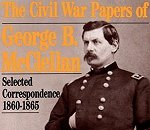 The Civil War Papers Of George B. Mcclellan: Selected Correspondence, 1860-1865 General-in-chief of the entire Union army at one point, he led the Army of the Potomac through the disaster at Antietam Creek, was subsequently dismissed by Lincoln, and then ran against him in the 1864 presidential campaign. This collection of McClellan's candid letters about himself, his motivations, and his intentions |
 McClellan's Own Story Born in Philadelphia on December 3, 1826, George B. McClellan graduated from West Point in 1846 before serving in the Mexican War. At the start of the Civil War, McClellan was put in a position of leadership and after a successful campaign in Virginia he was given command of the Army of Potomac, one of the Union's strongest armies. He led the Peninsular campaign with almost 100,000 troops under his command. marching toward Richmond. |
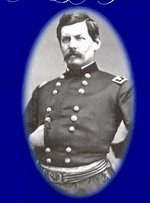 George B. Mcclellan The Young Napoleon By age 35, General George B. McClellan (1826–1885), designated the "Young Napoleon," was the commander of all the Northern armies. He forged the Army of the Potomac into a formidable battlefield foe, and fought the longest and largest campaign of the time as well as the single bloodiest battle in the nation's history |
|||||||||||||||||||||||||||||||||||||||||||||||||||||||||||||||||||||||||||||||||||||||||||||||||||||||||||||||||||||||||||||||||||||||||||||||||||||||||||||||||||||||||||||||||||||||||||||||||||||||||||||||||||||||||||||||||||||||||||||||||||||||||||||||||||||||||||||||||||||||||||||||||||||||||||||||||||||||||||||||||||||||||||||||||||||||||||||||||||||||||||||||||||||||||||||||||||||||||||||||||||||||||||||||||||||||||||||||||||||||||||||||||||||||||||||||||||||||||||||||||||||||||||||||||||||||||||||||||||||||||||||||||||||||||||||||||||||||||||||||||||||||||||||||||||||||||||||||||||||||||||||||||||||||||||||||||||||||||||||||||||||||||||||||||||||||||||||||||||||||||||||||||||||||||||||||||||||||||||||||||||||||||||||||||||||||||||||||||||||||||||||||||||||||||||||||||||||||||||||||||||||||||||||||||||||||||||||||||||||||||||||||||||||||||||||||||||||||||||||||||||||||||||||||||||||||||||||||||||||||||||||||||||||||||||||||||||||||||||||||||||||||||||||||||||||||||||||||||||
Civil War History Documentary DVD Movie Titles
U.S. National Park Service
U.S. Library of Congress.
| Fredericksburg Virginia Local Weather and Information |

