|
|
|
|
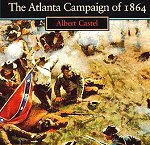 The Atlanta Campaign of 1864 The operations of the Union and Confederate armies from the perspective of the soldiers and the top generals. He offers new accounts and analyses of the major events of the campaign, and, in the process, corrects many long-standing myths, misconceptions, and mistakes. He challenges the standard view of Sherman's performance. Atalanta Campaign Map |
Kindle Available  Standard Catalog of Civil War Firearms Over 700 photographs and a rarity scale for each gun, this comprehensive guide to the thousands of weapons used by Billy Yank and Johnny Reb will be indispensable for historians and collectors. |
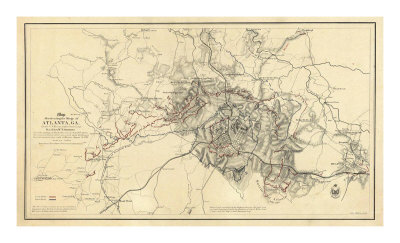 Civil War Map Siege of Atlanta, Georgia, c.1864 48 in. x 29 in. $169.99 Buy at AllPosters.com Framed |

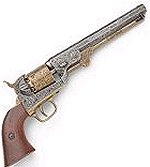 Civil War Model 1851 Naval Pistol with Engraved Silver Tone / Gold Tone Finish and Wooden Grips - Replica of Revolver Used by Both USA / Union and CSA / Confederate Forces 12 Inch Action Figures 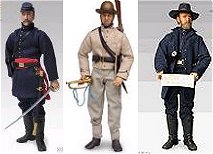 |
Georgia State Battle Map Civil War State Battle Maps American Civil War Exhibits American Civil War Timeline Civil War Summary Documents of the War Confederate Commanders Union Generals Women Civil War Soldiers Kids Zone Exhibits Civil War Music History Reenactors Row |
 Lodge Logic Camp Dutch Oven Large 8 quart cast iron oven. The legs are for ease of use in campfires. Flanged lid to place coals on top of oven. Great for stews, chilli, roasts (wild game) and complete recipes for everything including old-fashioned bread. A must for reenactors villages. Camping Supplies Cast Iron Waffle Iron 12 Inch Pre Seasoned Cast Iron Skillet Full size military Camp Cot One and two man tents Large size and multiple room tents Hiking Boots Jan Sport Back Packs High Sierra Camp Equipment |
 Rock of Chickamauga: The Life of General George H. Thomas Union General George Thomas was one of the five men most important in the North's victory. Military historians consider him one of the best defensive generals ever, a man who would have stood out in any war |
 To Honor These Men: A History of the Phillips Georgia Legion Infantry Battalion The Georgia Legion was formed shortly after secession and fought in nearly every major engagement on the Eastern Front, including Wilderness and Appomatox |
 This Terrible Sound The Battle of Chickamauga Study of the great bloody battle of Chickamauga that was the last great offensive, although costsly, victory by the Confederates. This is a detailed account of the movements of regiments, brigades, divisions. |
 The White Tecumseh: A Biography of General William T. Sherman Utilizing regimental histories, historian Hirshon offers a sympathetic yet excellent biography of one of the more noted Civil War generals, best remembered for burning Atlanta, cutting a swath of destruction across Georgia, then creating total destruction in South Carolina, including the burning of Columbia. Hirshon gives us an insight into how Sherman's own troops felt about him and his relationships with fellow generals, especially Grant. The author not only describes Sherman's role in the war but also details his early life and family problems. The latter part of the book deals with his life after the war, especially with the Indians in the West as well as his relationships with Presidents Johnson and Grant. |
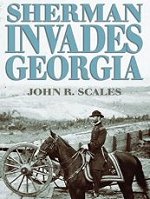 Sherman Invades Georgia: Planning the North Georgia Campaign Using a Modern Perspective Sherman Invades Georgia takes advantage of modern planning techniques to fully examine what went into the Georgia campaign. Unlike other studies, though, this one puts the reader squarely into the mind of General Sherman on the eve of his most famous military undertaking—limiting the information to that possessed by Sherman at the time, as documented in his correspondence during the campaign and not in his after-the-fact reports and autobiography. |
 The Atlanta Campaign: A Civil War Driving Tour of Atlanta-Area Battlefields |
 The Battle of Peachtree Creek: An Audio Driving Tour This is a cd and a map packaged like an audiobook. Tour beautiful Atlanta neighborhoods while listening to audio describe the battle of Peachtree Creek. The route winds seven miles through the hills south of Buckhead before ending in Tanyard Creek Park on Collier Road. |
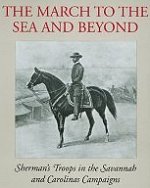 The March to the Sea and Beyond: Sherman's Troops in the Savannah and Carolinas Campaigns This book contains an examination of the army that General William Tecumseh Sherman led through Georgia and the Carolinas, in late 1864 and early 1865. Instead of being just another narrative of the March to the Sea and Carolina campaigns, however, Glatthaar's book is a look at the individuals that composed the army. In it, he examines the social and ideological backgrounds of the men in Sherman's army, and evaluates how they felt about various factors of the war--slavery, the union, and, most significantly, the campaign in which they were participating. The result is a fascinating look at Sherman's campaigns through the eyes of the everyday soldier. Amazon Reviewer |
Confederate President Jefferson Davis
Civil War Submarines
Civil War Cooking
Civil War Picture Album
