|
|
|
|
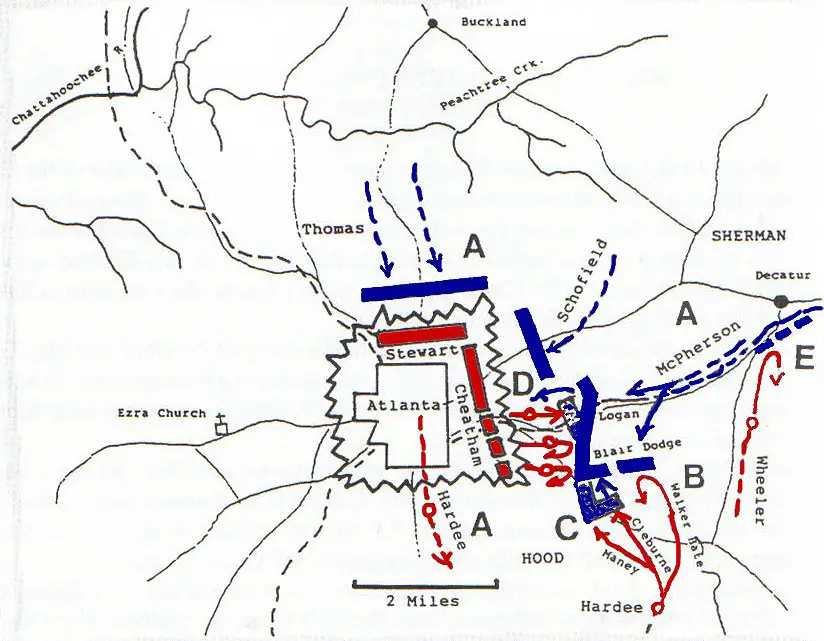
Kindle Available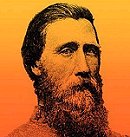 Advance And Retreat: Personal Experiences In The United States And Confederate States Armies John Bell Hood entered the Confederate Army at 29, loyal to Confederate Independence. He led his men into the battles of Second Manassas, Gaines's Mill, Sharpsburg, Fredericksburg, Gettysburg, and Chickamauga Atalanta Campaign Map |
Kindle Available  Standard Catalog of Civil War Firearms Over 700 photographs and a rarity scale for each gun, this comprehensive guide to the thousands of weapons used by Billy Yank and Johnny Reb will be indispensable for historians and collectors. |
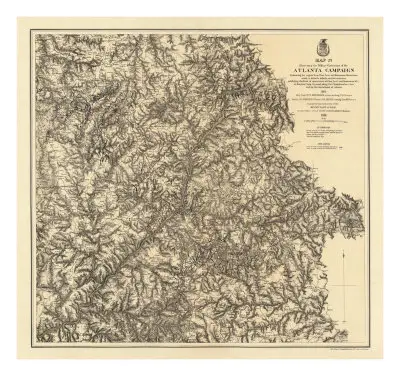 Civil War Military Operations of the Atlanta Campaign, c.1864 48 in. x 45 in. $169.99 Buy at AllPosters.com Framed |
 Savannah A large Union army led by Sherman leaves Chattanooga and northern Georgia camps and marches south to Atlanta and ultimately arrives at the coastal city of Savannah, laying waste to the territory through which it passes |
 The Atlanta Campaign of 1864 The operations of the Union and Confederate armies from the perspective of the soldiers and the top generals. He offers new accounts and analyses of the major events of the campaign, and, in the process, corrects many long-standing myths, misconceptions, and mistakes. He challenges the standard view of Sherman's performance. |
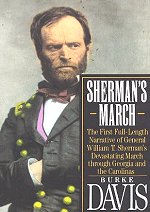 Sherman's March: The First Full-Length Narrative of General William T. Sherman's Devastating March through Georgia and the Carolinas Beginning with the fall of Atlanta, the unrelenting aggressive slash and burn total warfare of General Sherman's Union troops, and then the final march into Raleigh |
Kindle Available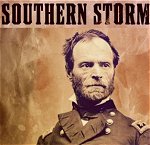 Southern Storm: Sherman's March to the Sea The destruction spanned more than sixty miles in width and virtually cut the South in two, disabling the flow of supplies to the Confederate army. He led more than 60,000 Union troops to blaze a path from Atlanta to Savannah, ordering his men to burn crops, kill livestock, and decimate everything that fed the Rebel war machine |
||
 The Children of Pride: Selected letters of the family of the Rev. Dr. Charles Colcock Jones from the years 1860-1868 This book provides the thoughts of the entire family, all literate and well-spoken people, over the entire period from the 1850s, just living their ante-bellum experience, to the idea of the war on the horizon, entering into it and living it day by day. This is all seen through ordinary every-day experiences, family anecdotes, and discussions of what is occurring |
 Guide to the Atlanta Campaign: Rocky Face Ridge to Kennesaw Mountain Following the capture of Chattanooga, the Union initiated battles and operations that took it from the Tennessee border to the outskirts of Atlanta. Bloody confrontations at places such as Resaca and New Hope Church. Grant had ordered Sherman to penetrate the enemy's interior and inflict "all the damage you can against their War resources," |
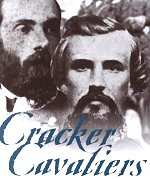 Cracker Cavaliers: The 2nd Georgia Cavalry Under Wheeler and Forrest The Second Georgia fought in such famous campaigns as Perryville, Stones River, Chickamauga, Knoxville, Resaca, Atlanta, and Bentonville, they also participated in deadly encounters at Farmington, Mossy Creek, Noonday Creek, Sunshine Church, and Waynesboro |
 The Battle of Resaca: Atlanta Campaign, 1864 Ideal book for a Civil War buff. Take it with you if you visit the site. Written accounts from the soldiers that stormed across the hills put you in the moment. Several good maps and even pictures taken a few days after the battle help take you out of your living room and into the past |
||
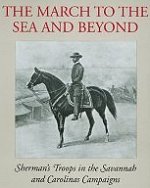 The March to the Sea and Beyond: Sherman's Troops in the Savannah and Carolinas Campaigns This book contains an examination of the army that General William Tecumseh Sherman led through Georgia and the Carolinas, in late 1864 and early 1865. Instead of being just another narrative of the March to the Sea and Carolina campaigns, however, Glatthaar's book is a look at the individuals that composed the army. In it, he examines the social and ideological backgrounds of the men in Sherman's army, and evaluates how they felt about various factors of the war--slavery, the union, and, most significantly, the campaign in which they were participating. The result is a fascinating look at Sherman's campaigns through the eyes of the everyday soldier. Amazon Reviewer |
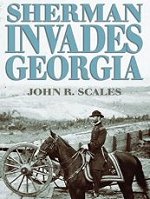 Sherman Invades Georgia: Planning the North Georgia Campaign Using a Modern Perspective Sherman Invades Georgia takes advantage of modern planning techniques to fully examine what went into the Georgia campaign. Unlike other studies, though, this one puts the reader squarely into the mind of General Sherman on the eve of his most famous military undertaking—limiting the information to that possessed by Sherman at the time, as documented in his correspondence during the campaign and not in his after-the-fact reports and autobiography. |
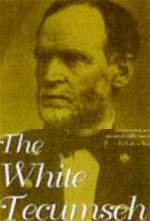 The White Tecumseh: A Biography of General William T. Sherman Utilizing regimental histories, historian Hirshon offers a sympathetic yet excellent biography of one of the more noted Civil War generals, best remembered for burning Atlanta, cutting a swath of destruction across Georgia, then creating total destruction in South Carolina, including the burning of Columbia. Hirshon gives us an insight into how Sherman's own troops felt about him and his relationships with fellow generals, especially Grant. The author not only describes Sherman's role in the war but also details his early life and family problems. The latter part of the book deals with his life after the war, especially with the Indians in the West as well as his relationships with Presidents Johnson and Grant. |
|
Confederate President Jefferson Davis
Women Civil War Soldiers
Union Generals
Civil War Submarines
Civil War Cooking
Civil War Picture Album