|
|
|
|
Kindle Available Mutiny at Fort Jackson: The Untold Story of the Fall of New Orleans Soldiers primarily recruited from large German and Irish populations. The Confederacy had done nothing to encourage poor white men to feel they had a place of honor in the southern republic. The mutineers actively sought to help the Union cause. Benjamin "Beast" Butler enjoyed the support of many white Unionists in New Orleans . |
Kindle Available Standard Catalog of Civil War Firearms Over 700 photographs and a rarity scale for each gun, this comprehensive guide to the thousands of weapons used by Billy Yank and Johnny Reb will be indispensable for historians and collectors. |
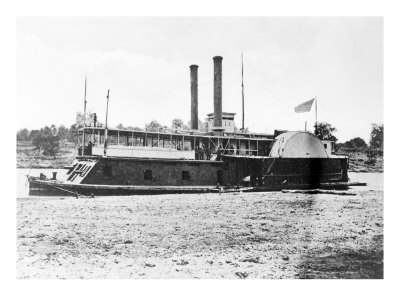
Mississippi River, U.S. Gunboat Fort Hindman, Civil War 24 in. x 18 in. Buy at AllPosters.com Framed Mounted |
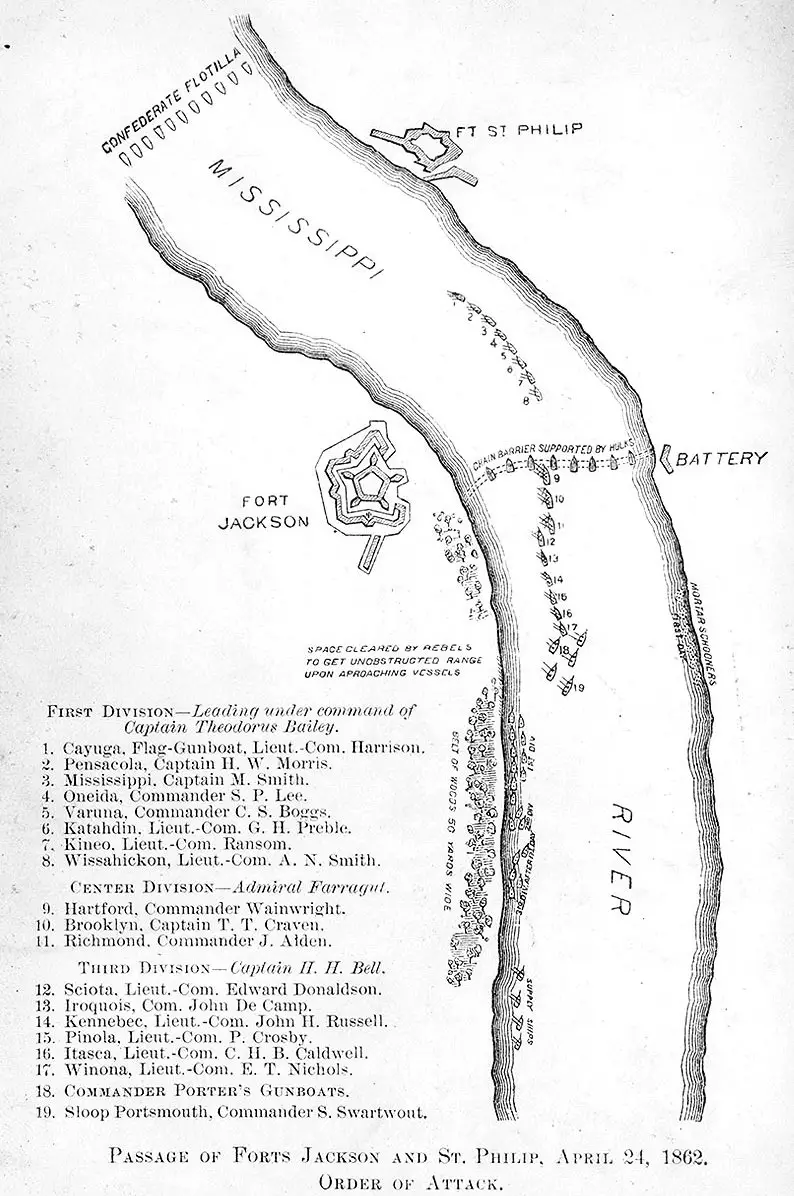
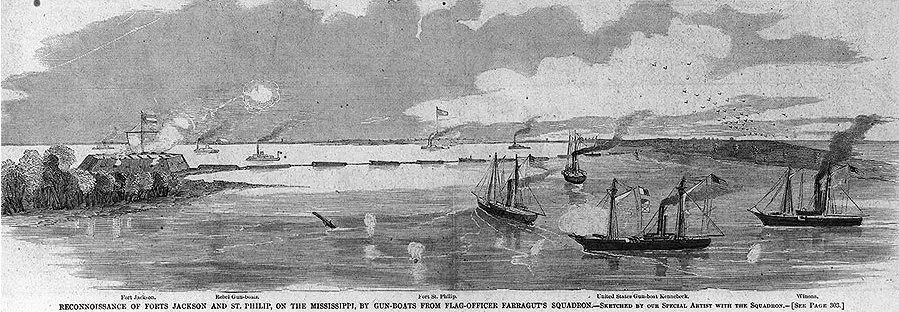
 The Night the War Was Lost With the fall of the critical city of New Orleans in spring 1862 the South lost the Civil War, although fighting would continue for three more years. On the Mississippi River, below New Orleans, in the predawn of April 24, 1862, David Farragut with fourteen gunboats ran past two forts to capture the South's principal seaport. 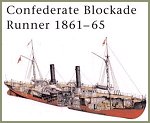 Confederate Blockade Runner 1861-65 The blockade runners of the Civil War usually began life as regular fast steam-powered merchant ships. They were adapted for the high-speed dashes through the Union blockade which closed off all the major Southern ports, and for much of the war they brought much-needed food, clothing and weaponry to the Confederacy 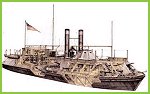 Union River Ironclad 1861-65 At the start of the American Civil War, neither side had warships on the Mississippi River. In what would prove the vital naval campaign of the war, both sides fought for control of the river. While the Confederates relied on field fortifications and small gunboats, the Union built a series of revolutionary river ironclads |
Passage of Forts Jackson and St. Philip, April 24, 1862. Order of Attack "Reconnoissance of Forts Jackson and St. Philip, on the Mississippi, by Gun-boats from Flag-officer Farragut's Squadron" |
 Civil War Soldier 102 Piece Playset
|
Louisiana State Battle Map State Battle Maps Confederate President Jefferson Davis Civil War Summary Civil War Submarines Civil War Cooking Kids Zone Gettysburg Campaigns of the Civil War American Civil War Exhibits Civil War Timeline Women in the War |
 History Channel Civil War A Nation Divided Rally the troops and organize a counterattack -- Your strategic decision and talent as a commander will decide if the Union is preserved or if Dixie wins its independence |
 Life in Mr. Lincoln's Navy A tantalizing glimpse into the hardships endured by the naval leadership to build and recruit a fighting force. The seaman endured periods of boredom, punctuated by happy social times and terrifying bouts of battle horror |
Kindle Available Glory in the Name: A Novel of the Confederate Navy From Norfolk to Hampton Roads, from Roanoke Island to the nighttime battle on the river below New Orleans, Glory in the Name tells the story of the Confederate States Navy, and the brave men who carried forward against overwhelming odds |
 Ironclad Down: USS Merrimack-CSS Virginia from Design to Destruction A treasure trove of detailed information about one of history s most famous vessels. Describing Stephen Russell Mallory, John Mercer Brooke, John Luke Porter, et al.--who conceived, designed and built one of the world's first ironclads |
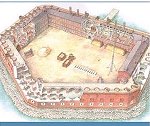 American Civil War Fortifications Coastal Brick and Stone Forts The design, construction and operational history of fortifications, such as Fort Sumter, Fort Morgan and Fort Pulaski. Stone and brick forts stretched from New England to the Florida Keys, and as far as the Mississippi River. A handful of key sites remained in Union hands throughout the war, the remainder had to be won back through bombardment or assault. |
Kindle Available Naval Strategies of the Civil War: Confederate Innovations and Federal Opportunism Compare and contrast the strategies of the Southern Secretary of the Navy, Mallory, against his rival in the North, Welles. Mallory used technological innovation and the skill of individuals to bolster the South's seapower against the Union Navy's superior numbers |
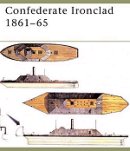 Confederate Ironclad 1861-65 Every aspect of Confederate ironclads is covered: design, construction, armor, armament, life on board, strategy, tactics, and actual combat actions. |
Kindle Available Reign of Iron: The Story of the First Battling Ironclads, the Monitor and the Merrimack The first ironclad ships to fight each other, the Monitor and the Virginia (Merrimack), were the unique products of American design genius |
 Battle on the Bay: The Civil War Struggle for Galveston Civil War history of Galveston is one of the last untold stories from America's bloodiest war, despite the fact that Galveston was a focal point of hostilities throughout the conflict. Galveston emerged as one of the Confederacy's only lifelines to the outside world. |
Kindle Available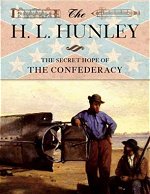 The H. L. Hunley The Secret Hope of the Confederacy On the evening of February 17, 1864, the Confederacy H. L. Hunley sank the USS Housatonic and became the first submarine in world history to sink an enemy ship. Not until World War I "half a century later” would a submarine again accomplish such a feat. But also perishing that moonlit night, vanishing beneath the cold Atlantic waters off Charleston, South Carolina, was the Hunley and her entire crew of eight |
Confederate Blockade Runner 1861-65 The blockade runners of the Civil War usually began life as regular fast steam-powered merchant ships. They were adapted for the high-speed dashes through the Union blockade which closed off all the major Southern ports, and for much of the war they brought much-needed food, clothing and weaponry to the Confederacy |
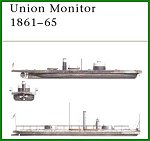 Union Monitor 1861-65 The first seagoing ironclad was the USS Monitor, and its profile has made it one of the most easily recognised warships of all time. Following her inconclusive battle with the Confederate ironclad Virginia on March 9, 1862, the production of Union monitors was accelerated. By the end of the year a powerful squadron of monitor vessels protected the blockading squadrons off the Southern coastline, and were able to challenge Confederate control of her ports and estuaries |
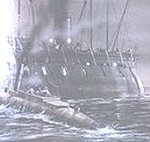 Confederate Submarines and Torpedo Vessels 1861-65 Interesting information and many excellent illustrations. It addresses the CSA David class torpedo boats and the Hunley (and its predecessors), as well as Union examples such as the Alligator and the Spuyten Duyvil |
|
Books Civil War Womens Subjects Young Readers Military History DVDs Confederate Store Civil War Games Music CDs Reenactors |