 The Battle of Chancellorsville Civil War Combat Unflinching, uncompromising and graphic, the images and stories presented here show these battles for what they were, with all the brutality, horror, devastation and desperation |
Chancellorsville
|
|
|
|
|
 Union Sixth Army Corps in the Chancellorsville Campaign: A Study of the Engagements of Second Fredericksburg, Salem Church And Banks's Ford The winter of 1862-1863 found the Union's Army of the Potomac in sad shape. Bloody battles, multiple defeats, lack of adequate provisions and high desertion rates had left even the hardiest Union soldiers dispirited |
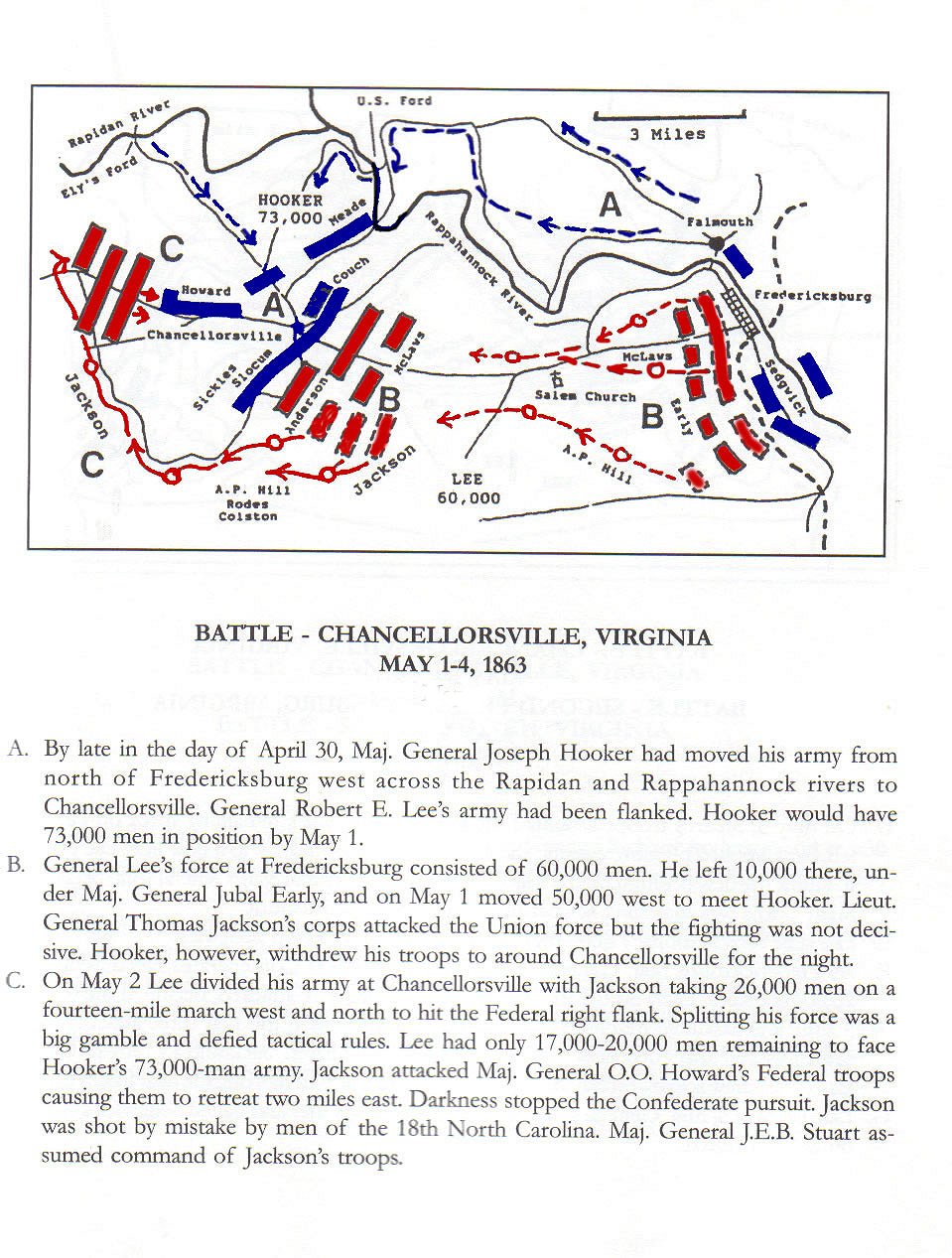 |
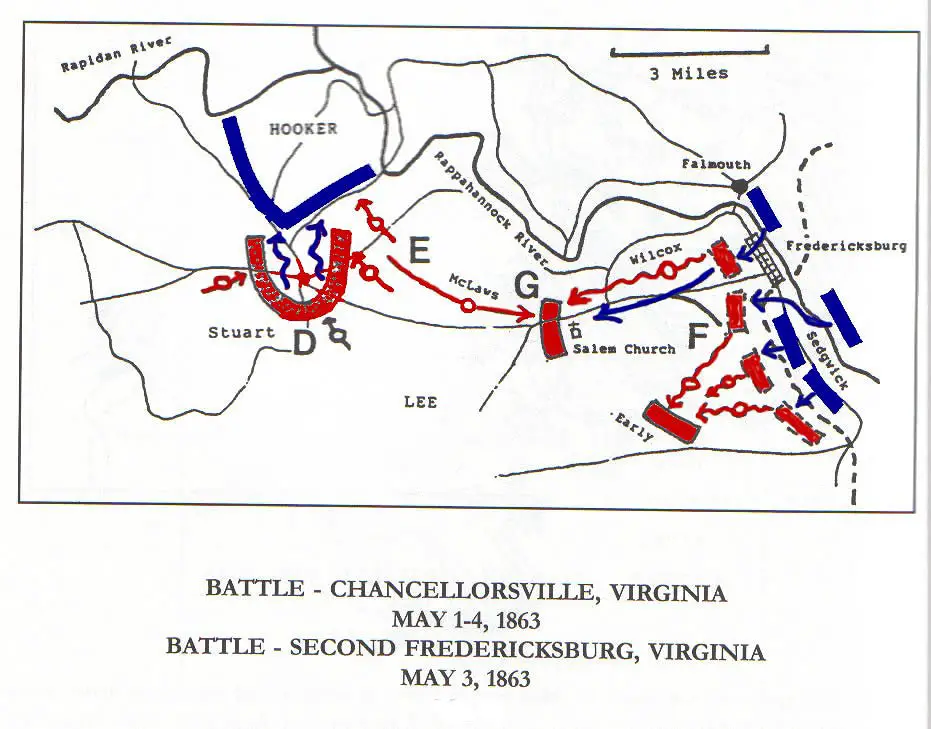
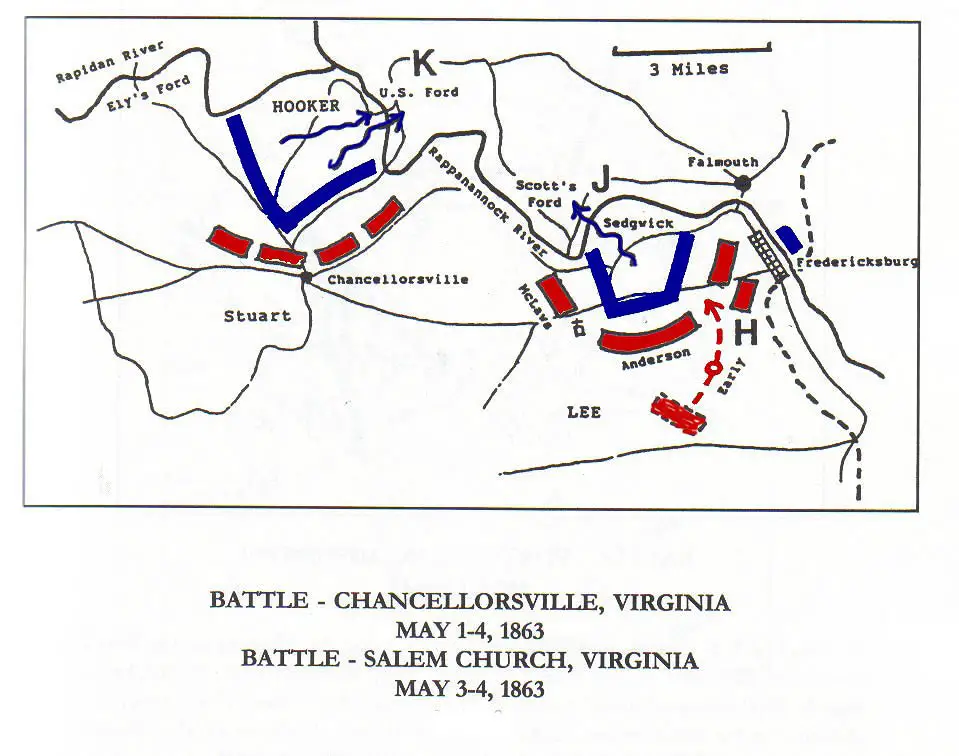
A. By late in the day of April 30, Genreal Joseph Hooker had moved his army from north of Fredericksburg west across the Rapidan and Rappahannock rivers to Chancellorsville. General Robert E. Lee's army had been flanked. Hooker would have 73,000 men in position by May 1. B. General Lee's force at Fredericksburg consisted of 60,000 men. He left 10,000 there, under General Jubal Early, and on May 1 moved 50,000 west to meet Hooker. Lieut. General Thomas Jackson's corps attacked the Union force but the fighting was not decisive. Hooker, however, withdrew his troops to around Chancellorsville for the night. C. On May 2 Lee divided his army at Chancellorsville with Jackson taking 26,000 men on a fourteen mile march west and north to hit the Federal right flank. Splitting his force was a big gamble and defied tactical rules. Lee had only 17,000-20,000 men remaining to face Hooker's 73,000 man army. Jackson attacked General Howard's Federal troops causing them to retreat two miles east. Darkness stopped the Confederate pursuit. Jackson was shot by mistake by men of the 18th North Carolina. General Stuart assumed command of Jackson's troops. |
|
 |
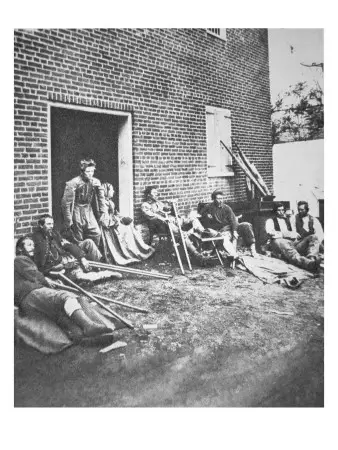 Wounded Soldiers after the Battle of Chancellorsville, May 1863 18 in. x 24 in. Buy at AllPosters.com Framed Mounted |
|
 |
Fredericksburg Area Map of BattlesClick to enlarge Map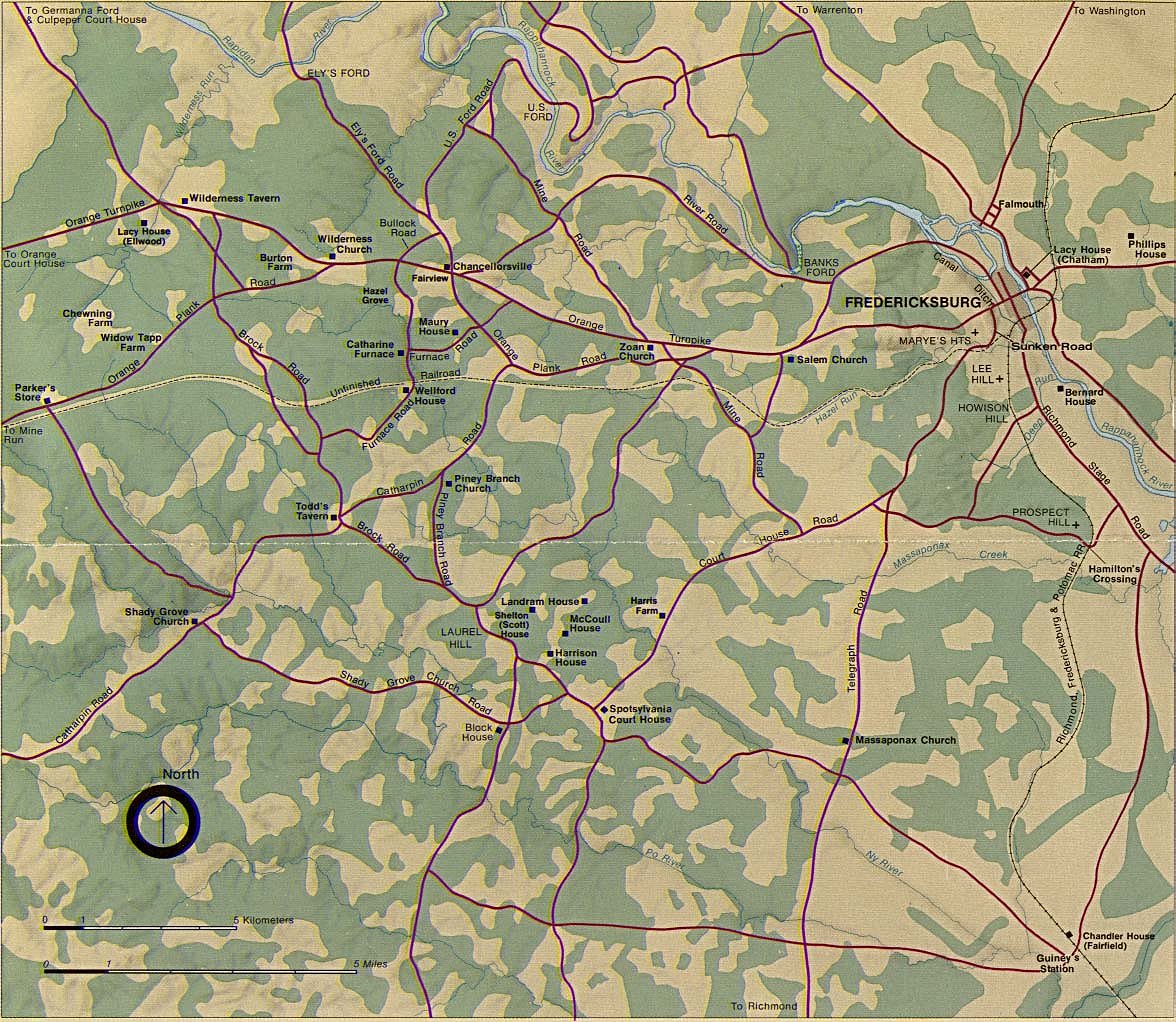 |
Civil War Journal Collector's Edition 4-DVD Set Made exclusively for Books Are Fun. Discs include: · Stonewall Jackson · Sherman and the March to the Sea · West Point Classmates-Civil War Enemies · Robert E. Lee · Battle of 1st Bull Run · The 54th Massachusetts · John Brown s War · Destiny at Fort Sumter |
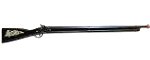 Civil War Musket Wood & Steel Frontier Rifle Designed After The Original Rifle 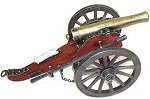 Civil War Cannon Collectible Models and childrens playsets Miniature Collectible Civil War Cannon12 pound Civil War field cannon replica weapon |
Chancellorsville Approach Virginia State Battle Map 1863 State Battle Maps Women Civil War Soldiers Civil War Summary Civil War Documents Civil War Music History Civil War Ships and Naval Battles American Civil War Exhibits Civil War Timeline Women in the War |
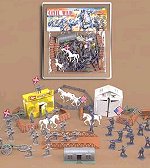 72 Piece Civil War Army Men Play Set 52mm Union and Confederate Figures, Bridge, Horses, Canon
|
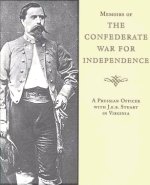 Memoirs of the Confederate War for Independence This is a wonderful memoir of the author's year and half of active service on the staff of the legendary Confederate cavalry General, J. E. B. Stuart. |
 Jeb Stuart and the Confederate Defeat at Gettysburg Warren C. Robinson reassesses the historical record to come to a clearer view of Stuart's orders for the crucial battle (as well as what was expected of him), of his actual performance, and of the impact his late arrival had on the outcome of the campaign. |
Kindle Available Cavalryman of the Lost Cause A Biography of J. E. B. Stuart James Ewell Brown Stuart was the premier cavalry commander of the Confederacy. He gained a reputation for daring early in the war when he rode around the Union army in the Peninsula Campaign, providing valuable intelligence to General Robert E. Lee at the expense of Union commander George B. McClellan |
Union Sixth Army Corps in the Chancellorsville Campaign: A Study of the Engagements of Second Fredericksburg, Salem Church And Banks's Ford The winter of 1862-1863 found the Union's Army of the Potomac in sad shape. Bloody battles, multiple defeats, lack of adequate provisions and high desertion rates had left even the hardiest Union soldiers dispirited |
Kindle Available Wade Hampton: Confederate Warrior to Southern Redeemer General Wade Hampton was for a time the commander of all Lee's cavalry and at the end of the war was the highest-ranking Confederate cavalry officer |
Kindle Available Robert E. Lee This book not only offers concise detail but also gives terrific insight into the state of the Union and Confederacy during Lee's life. Lee was truly a one of kind gentleman and American, and had Virginia not been in the south or neutral, he ultimately would have led the Union forces. |
Kindle Available Nathan Bedford Forrest's Escort And Staff The CSA escort company and staff officers of Nathan Bedford Forrest were held in awe by men on both sides of the conflict during the war and long after, and they continue to be held in esteem as figures as legendary as Forrest himself. Not merely guards or couriers, these men were an elite force who rode harder and fought more fiercely than any others |
Kindle Available Nathan Bedford Forrest: A Biography Nathan Bedford Forrest was one of the most interesting figures from the mid-19th Century. He was also one of the most controversial -- given his role as Confederate cavalryman, Fort Pillow, and the rise of the first KKK |
Kindle Available Staff Officers in Gray: A Biographical Register of the Staff Officers in the Army of Northern Virginia Profiles some 2,300 staff officers in Robert E. Lee's famous Army of Northern Virginia. A typical entry includes the officer's full name, the date and place of his birth and death, details of his education and occupation, and a synopsis of his military record. Two appendixes provide a list of more than 3,000 staff officers who served in other armies of the Confederacy and complete rosters of known staff officers of each general |
Kindle Available The Class of 1846: From West Point to Appomattox: Stonewall Jackson, George McClellan, and Their Brothers No single group of men at West Point has been so indelibly written into history as the class of 1846. The names are legendary: Thomas "Stonewall" Jackson, George B. McClellan, Ambrose Powell Hill, Darius Nash Couch, George Edward Pickett, Cadmus Marcellus Wilcox, and George Stoneman |
Kindle Available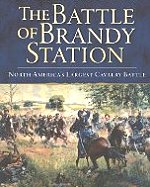 The Battle of Brandy Station North America's Largest Cavalry Battle Just before dawn on June 9, 1863, Union soldiers materialized from a thick fog near the banks of Virginia's Rappahannock River to ambush sleeping Confederates. The ensuing struggle, which lasted throughout the day, was to be known as the Battle of Brandy Station the largest cavalry battle ever fought on North American soil. |
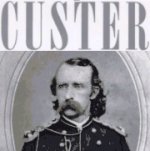 CUSTER: The Controversial Life of George Armstrong Custer After graduating last in his class at West Point, he rose to become the Union's youngest general on the strength of his flamboyance and military genius. Next came 12 years of checkered service in the American West, ending with the famous massacre at Little Bighorn |
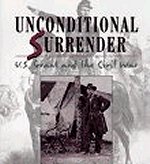 Unconditional Surrender U. S. Grant and the Civil War This is the best juvenile biography on Ulysses S. Grant by a wide margin. Marrin has done an excellent job in introducing Grant to a young audience. I highly recommend it. |
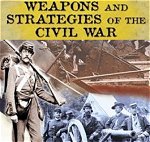 Weapons and Strategies of the Civil War For grades 3-6 which packs 48 pages with color photos and 30 links providing quality Internet sites for more research. Chapter notes, a bibliography and an index round out information and assure not just accuracy, but constant updates to research information. |
 A Ballad of the Civil War A wonderful chapter book for children that should help them to appreciate the fact that some people could not defend a person's right to own other people and to understand that sad era that ended in the "brothers' war." It has four chapters with a prologue and a closing author's note. The conversations that Tom has with the household slave "Uncle Roger" provide some unique insight into the dilemma that slaves faced in the antebellum South |
 Fields of Fury The American Civil War Written for young readers a stirring account of the greatest conflict to happen on our nation's soil, the Civil War, bringing to life the tragic struggle that divided not only a nation, but also friends and family. well-organized, well-executed, kid-friendly history of the Civil War was a brilliant idea if there ever was one. It's difficult to imagine anyone doing a better job than McPherson at breaking down this complex, interrelated series of events. |
|
Books Civil War Womens Subjects Young Readers Military History DVDs Confederate Store Civil War Games Music CDs Reenactors Row |
