Walk Gettysburg through five pivotal tactical errors: failing to seize high ground on Day 1, piecemeal Day 2 assaults, Sickles’ exposed salient, cavalry blin...
5 Confederate Generals Whose Tactical Blunders Cost the South Dearly

Silas Weaver
Silas Weaver has spent decades exploring historic battlefields, reading primary journals, and tracking down the lesser-known stories of the American Civil War. His lifelong passion for 19th-century history comes through in his engaging accounts of the places, people, and lingering questions of the era. He believes that walking the actual grounds where history happened is the best way to truly connect with the past.
Published · Last updated
When a good army is spent on a bad decision
I have stood on a lot of quiet ridgelines with my coffee going cold, trying to picture how a general talked himself into a move that, in hindsight, looks like stepping into a bear trap. The American Civil War was full of brilliance, but it was also full of human limits: pride, fatigue, bad maps, stubborn subordinates, and orders that arrived late or not at all.
This is not a list meant to sneer at men who had the hardest job on earth. It is an attempt to name five moments where Confederate decision-making went wrong in ways the South could not afford. The Confederacy had fewer men, thinner industry, shakier logistics, and far less room for learning experiences. One wrecked day could echo for a year.
I am also keeping the focus tight on campaign and battlefield command choices, the places where a commander’s yes or no (or not yet) shaped the outcome. Some of these are big strategic forks. Others are operational calls made on a clock that would not stop. If you want a useful companion piece on how mistakes cascade at the smaller scale, see our breakdown of tactical mistakes that changed Gettysburg. Here, I’m sticking to the generals and the decisions that pinned their armies to the wall.
1) Robert E. Lee: Gettysburg and pressing on

The blunder: continuing the fight at Gettysburg into July 2 and July 3, culminating in Pickett’s Charge, after the campaign had outrun clean reconnaissance and while Confederate supply was stretched back toward the Potomac with no fixed base close at hand.
Lee’s army had won confidence the hard way. After Chancellorsville, it is easy to understand the temptation to believe the Army of Northern Virginia could punch through anything if it hit hard enough. At Gettysburg, that instinct ran into a different reality: unfamiliar ground, uncertain enemy concentration, and an opponent that could absorb punishment and keep its feet.
What went wrong on the ground
- Fighting with limited eyes: Stuart’s cavalry was late to provide the screening and reconnaissance Lee preferred during the approach. Other Confederate horsemen were present, but the army did not get the kind of steady, theater-wide picture it needed when deciding whether to concentrate, maneuver, or disengage.
- A conditional order and a lost evening: On July 1, Lee’s message to Ewell to take Cemetery Hill “if practicable” left real discretion. Ewell did not seize that high ground that night, and by morning the position was far harder to crack.
- Short Union interior lines: Once the Union line stiffened along Cemetery Ridge and the adjacent high ground, it could shift troops laterally faster than the Confederates could. Every hour made a direct assault less likely to succeed and more likely to bleed.
- July 3 as a gamble: The grand infantry assault depended on artillery preparation and timing that could not reliably neutralize Union guns. The long walk across open ground meant the attacking lines would take heavy losses before they could even come to grips.
Why it cost the South dearly: Gettysburg was not merely a defeat. It was a hemorrhage of experienced officers and men the Confederacy could not replace. It also failed to achieve the invasion’s strategic purpose: easing pressure in Virginia, gathering supplies, and perhaps shifting Northern political will.
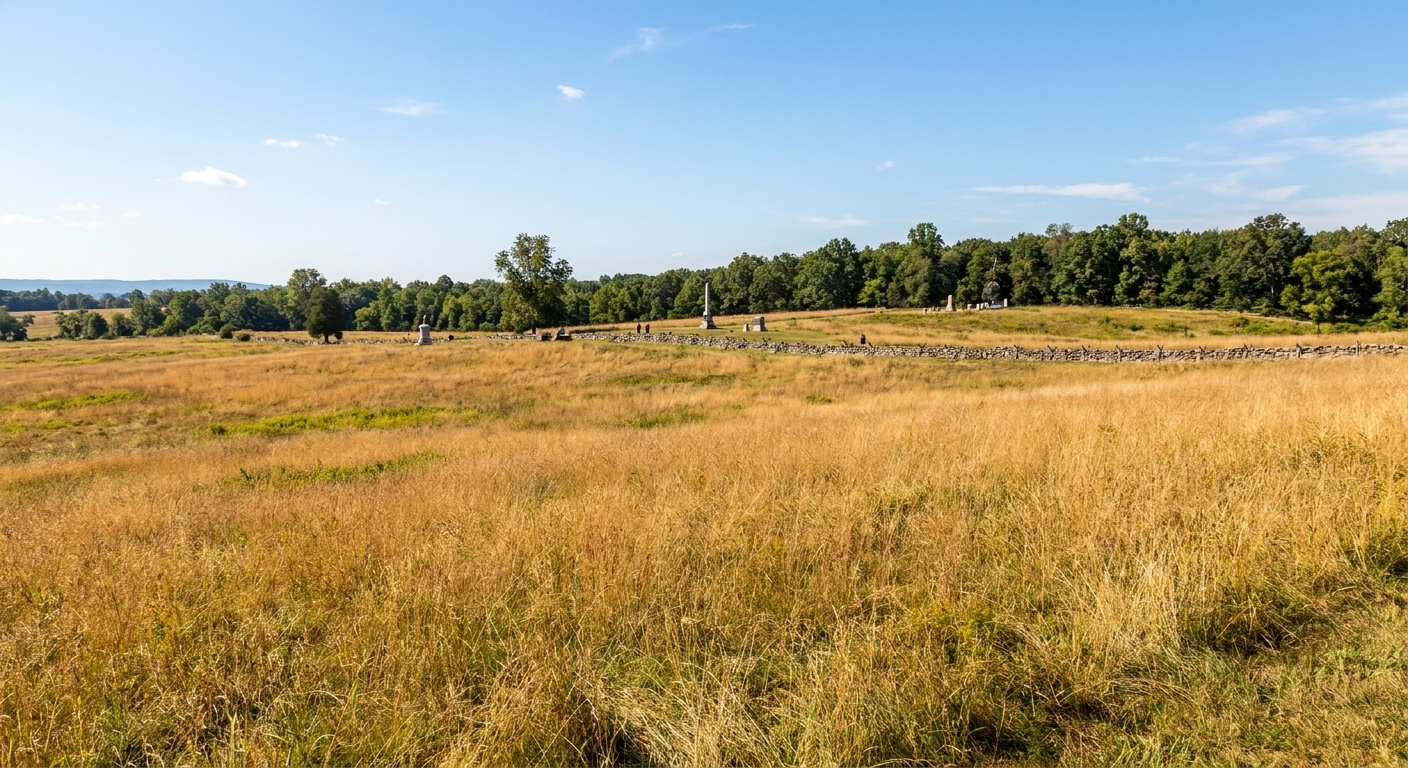
Walk it today: Gettysburg is the easiest place to feel how terrain dictates choices. If you are deciding which major field to visit first, our guide to Gettysburg vs. Antietam can help you pick the right trip for your interests.
2) James Longstreet: July 2 and lost hours
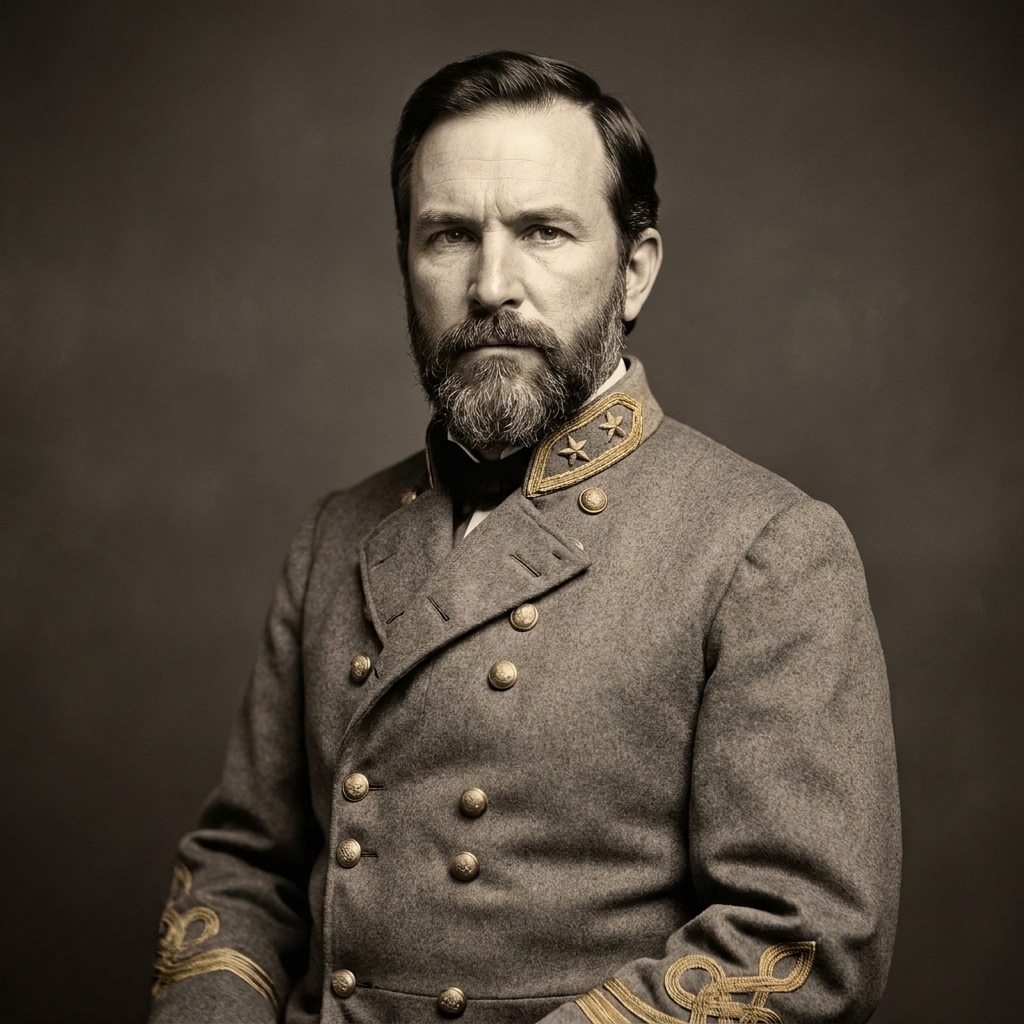
The blunder: allowing friction, routing choices, and slow alignment to push the July 2 attack at Gettysburg into a later, more complicated start, when speed and clean coordination were at a premium.
Longstreet has been argued over for a century and a half. Some defend him as the man who correctly saw that the Confederacy should fight defensively and force the Union to attack. Others see him as slow and reluctant. I am less interested in the courtroom drama and more interested in the battlefield reality: time matters, and July 2 was a day when Confederate time leaked away.
How delay became a tactical failure
- A drawn-out approach: Efforts to avoid Union observation, countermarching, and route confusion pushed the attack into the afternoon, after the Union left had improved its position.
- Key ground filled in: Early in the day, the Union left was still organizing. As hours passed, reinforcements arrived, lines extended, and critical terrain like Little Round Top was occupied and defended.
- Hard fighting without decisive alignment: Even where the assault hit with real force at the Peach Orchard, the Wheatfield, and Devil’s Den, coordination across the wider Confederate effort was imperfect. Strong punches landed, but they did not land together.
Why it cost the South dearly: The July 2 assaults inflicted and suffered terrible casualties and came close enough to success to be agonizing. But close is not victory. The Confederate army spent irreplaceable combat power on attacks that did not produce the breakthrough Lee needed, which narrowed his options for July 3.
For more on how different commanders thought about time, aggression, and caution, compare temperaments in Grant vs. Lee: two command styles.
3) John C. Pemberton: Vicksburg and split aims

The blunder: letting his field decisions be tugged between incompatible demands until Grant maneuvered him into a siege at Vicksburg, the very situation Confederate leadership most needed to avoid.
Vicksburg was a problem of geography, politics, and command relationships. Pemberton was pressed by Jefferson Davis’s emphasis on holding Vicksburg, while Joseph E. Johnston urged concentration and field maneuver to strike Grant. When a commander tries to satisfy two competing strategic instincts at once, the enemy often ends up choosing the shape of the war.
The failures that tightened the noose
- Indecision in the field: Pemberton vacillated between protecting Vicksburg directly and trying to hit Grant’s communications. The result was movement without a single strategic heartbeat.
- Trading maneuver for endurance: Once driven into Vicksburg’s defenses, the Confederates surrendered freedom of movement for a contest of supply and staying power. That is a rough bargain when relief is uncertain.
- Relief that never truly linked up: Johnston’s efforts were too limited and too late, and Pemberton’s position inside the works made coordinated escape or relief extraordinarily difficult.
Why it cost the South dearly: When Vicksburg surrendered on July 4, 1863, it did more than lose a city. It cracked Confederate control of the Mississippi. When Port Hudson fell days later, Union control of the river was complete, and the Confederacy was effectively split.
Walk it today: Vicksburg rewards slow driving and frequent stops. The ground reads like a lesson in why a siege can be both a military act and a geographic trap. For the terrain story of why the place mattered so much, start with the siege of Vicksburg: geography and a Union victory.
4) Braxton Bragg: Chickamauga aftermath
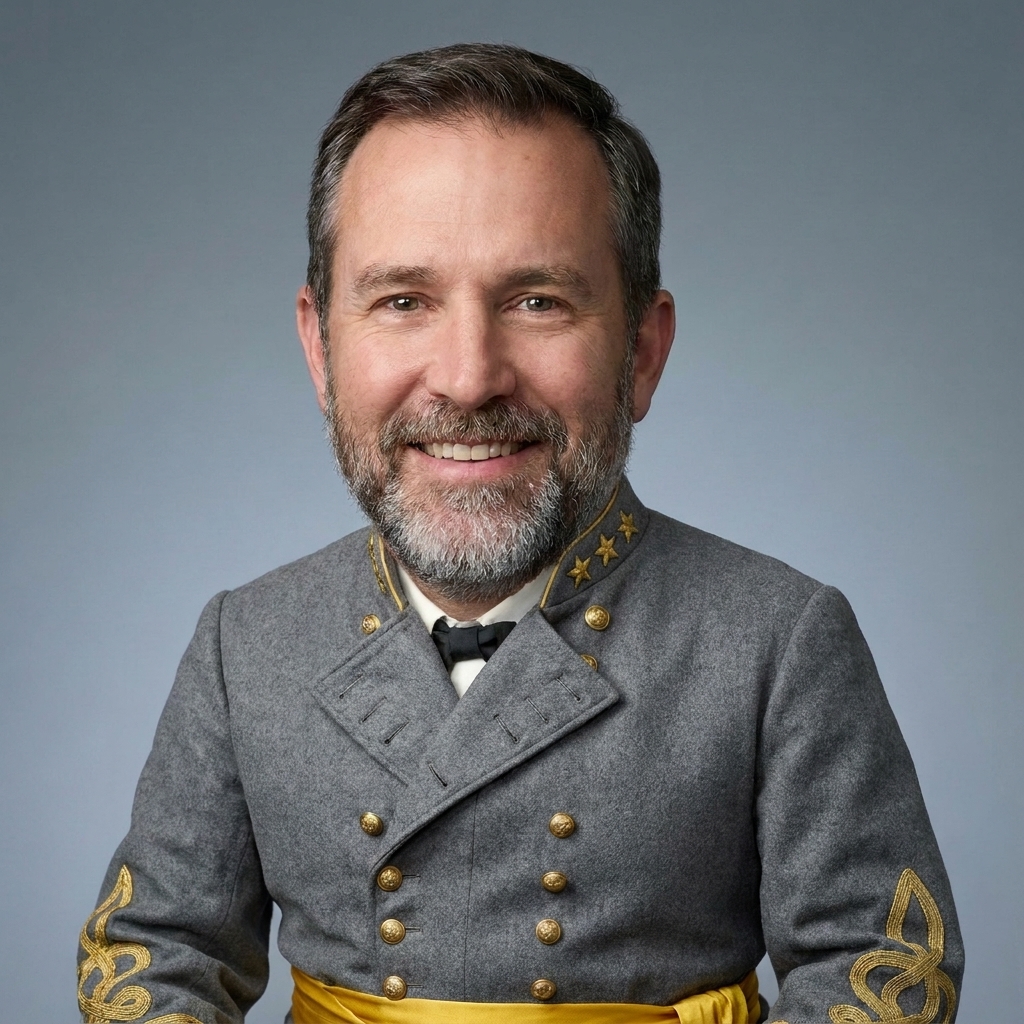
The blunder: failing to exploit tactical success at Chickamauga with prompt, coordinated follow-up, while letting command relationships rot until clear direction became difficult even after a win.
Chickamauga is one of those battlefields where the woods still feel thick. You can stand there and understand why units lost alignment and why orders came out muffled, delayed, or misunderstood. But confusion in the trees does not fully explain what followed. Bragg had a rare prize in his hands: the Union army had been mauled and driven back into Chattanooga.
Where the opportunity slipped
- No sharp pursuit: After the breakthrough, the Confederates did not deliver the kind of immediate exploitation that sometimes turns a battlefield win into a campaign-ending disaster for the other side.
- A victory followed by a leadership crisis: Bragg’s relationships with key subordinates were notoriously bitter. The post-battle fallout did not stay private. Confederate leadership had to referee the army instead of sharpening it.
- Chattanooga held, then the tables turned: The Confederates tightened a siege around Chattanooga, but the Union held the city long enough to be reinforced. Later in 1863, those reinforced Federal armies broke the siege and pushed Confederate forces back, turning a Confederate win into a strategic reversal.
Why it cost the South dearly: A battlefield victory that might have unhinged the Western theater instead became a missed chance. The Confederacy could not afford victories that did not pay off.
Walk it today: If you are planning a visit, our Chickamauga battlefield guide is built for exactly the kind of on-the-ground reading that makes the battle comprehensible.
5) Jubal Early: Valley overreach
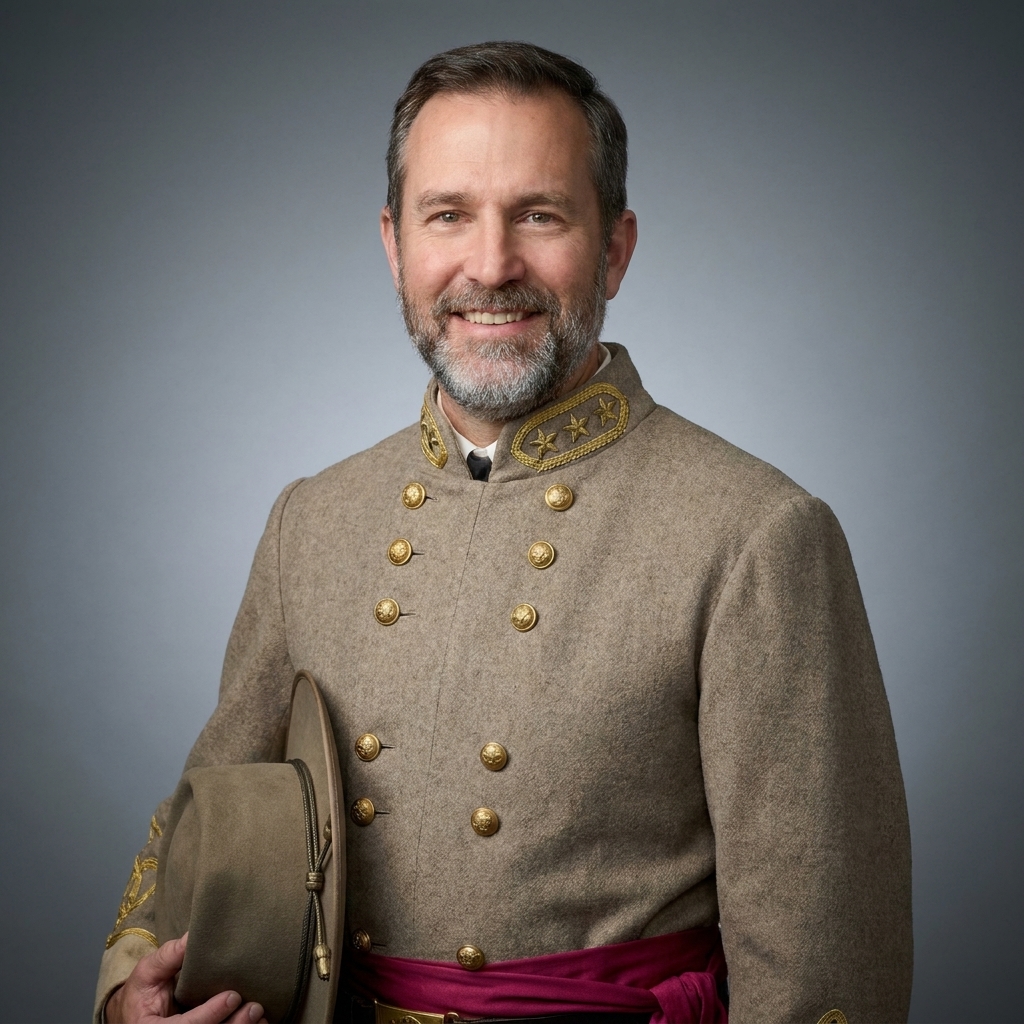
The blunder: stretching Confederate strength in the 1864 Shenandoah Valley campaign until defeat and attrition under Philip Sheridan stripped the Valley of much of its value as granary and maneuver corridor.
Early was bold, sometimes brilliantly so. His thrust toward Washington shook the capital’s defenses and brought fighting to the outskirts, including the clash at Fort Stevens where even President Lincoln came out to observe. But boldness is a loan that must be repaid with results. When the Union finally put Sheridan in charge with adequate resources, Early found himself facing an opponent who could match aggression with organization and depth.
How the Valley turned against him
- Operating on thin margins: Early’s command was often understrength, drawing sustenance from a Valley that was increasingly contested and raided.
- Defeats that compounded: Reverses at Third Winchester and Fisher’s Hill broke cohesion. Cedar Creek showed how quickly a morning advantage can collapse when timing, communication, and discipline slip.
- The Valley put to the torch: As Sheridan took control of the campaign, Union forces systematically destroyed barns, mills, and stores in what contemporaries called “The Burning.” That was not just punishment. It was strategy, aimed at denying Lee food and space to maneuver.
Why it cost the South dearly: The Confederacy needed the Shenandoah for food, for maneuver space, and for pressure on the North. Losing it meant Lee’s army around Petersburg grew more isolated as 1864 slid toward 1865.
Walk it today: The Valley is a campaign you can still read from the driver’s seat. To understand why it mattered long before Early took his turn, our Jackson’s 1862 Valley Campaign driving tour helps set the stage in roads, rivers, and marching distances.
A pattern worth noticing
These five men were not fools, and none of them woke up planning to fail. What links their blunders is something I see again and again when I read the wartime letters and then stand on the ground where those letters were written about.
- Time is a weapon: delay gives the enemy time to dig in, concentrate, and clarify. Gettysburg on July 2 is the classic example.
- Unity of command is not a slogan: when a commander cannot rely on subordinates, or a subordinate cannot support a commander’s intent, the army becomes a collection of separate arguments. Bragg’s army shows how quickly that corrodes results.
- Strategy punishes indecision: Vicksburg shows what happens when a commander tries to satisfy two incompatible demands and ends up satisfying neither.
- The Confederacy could not buy its way out of errors: the North could replace matériel and, too often, men. The South could not. One catastrophic day had long shadows.
When you are ready to zoom out from individuals and think about how leadership styles collide, spend time with our Generals guide hub. I keep it bookmarked on the road, because every battlefield starts making more sense once you know what kind of man was holding the reins.
FAQ
Were these blunders the only reason the Confederacy lost?
No. The Confederacy faced structural disadvantages in industry, rail, manpower, and naval power. But battlefield decisions still mattered. In a tight contest, mistakes decide when and where the larger disadvantages become irreversible.
Why focus on Confederate mistakes instead of Union mistakes?
Because the South’s margins were thinner. The Union made plenty of errors, sometimes spectacular ones, but the Confederacy often lacked the depth to recover from a bad afternoon. If you want a Union-leaning comparison in leadership styles, see Grant vs. Lee.
Is it fair to pin failure on one general?
Blame is rarely clean. I try to tie each episode to a decision point that is genuinely a commander’s to make: an attack ordered, a pursuit not pressed, an army pulled into a siege, a campaign stretched past its breaking point. Those moments belong to generals, even when the fog of war swirls around them.