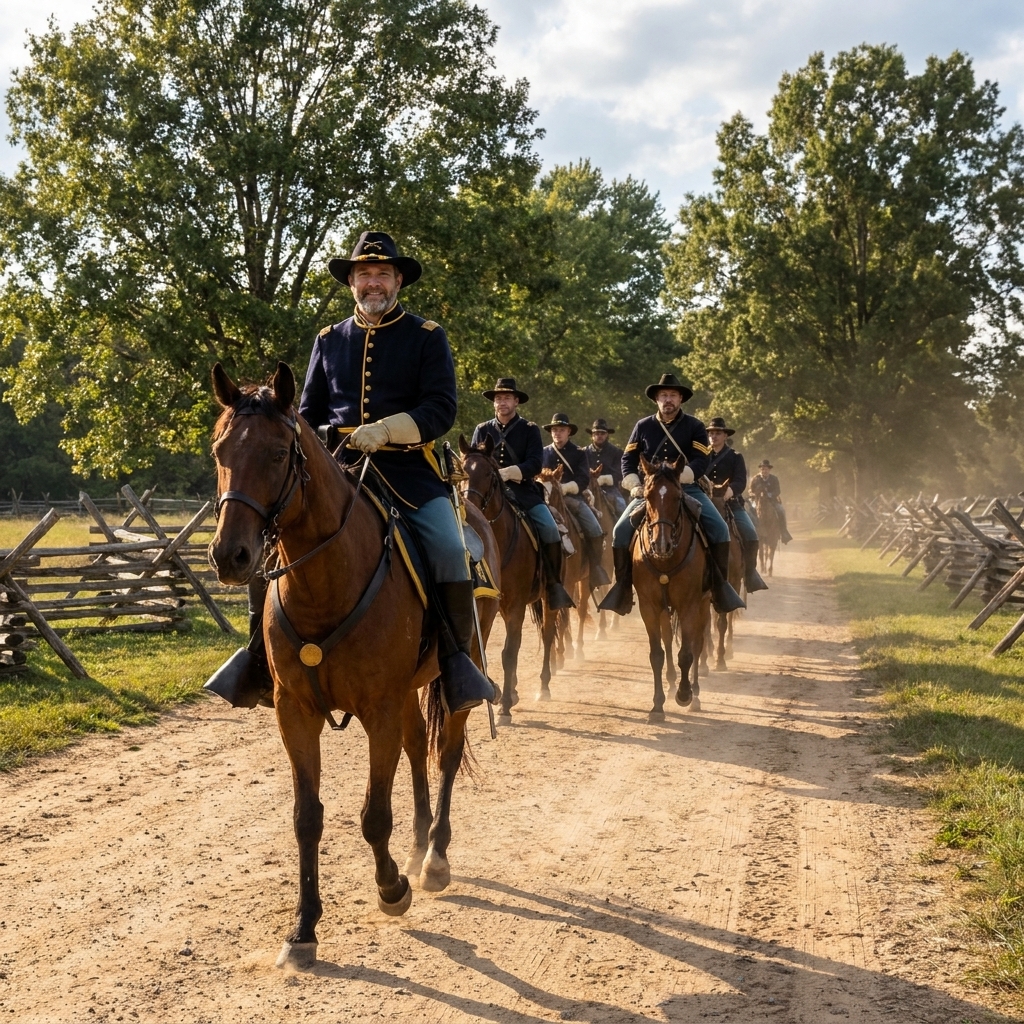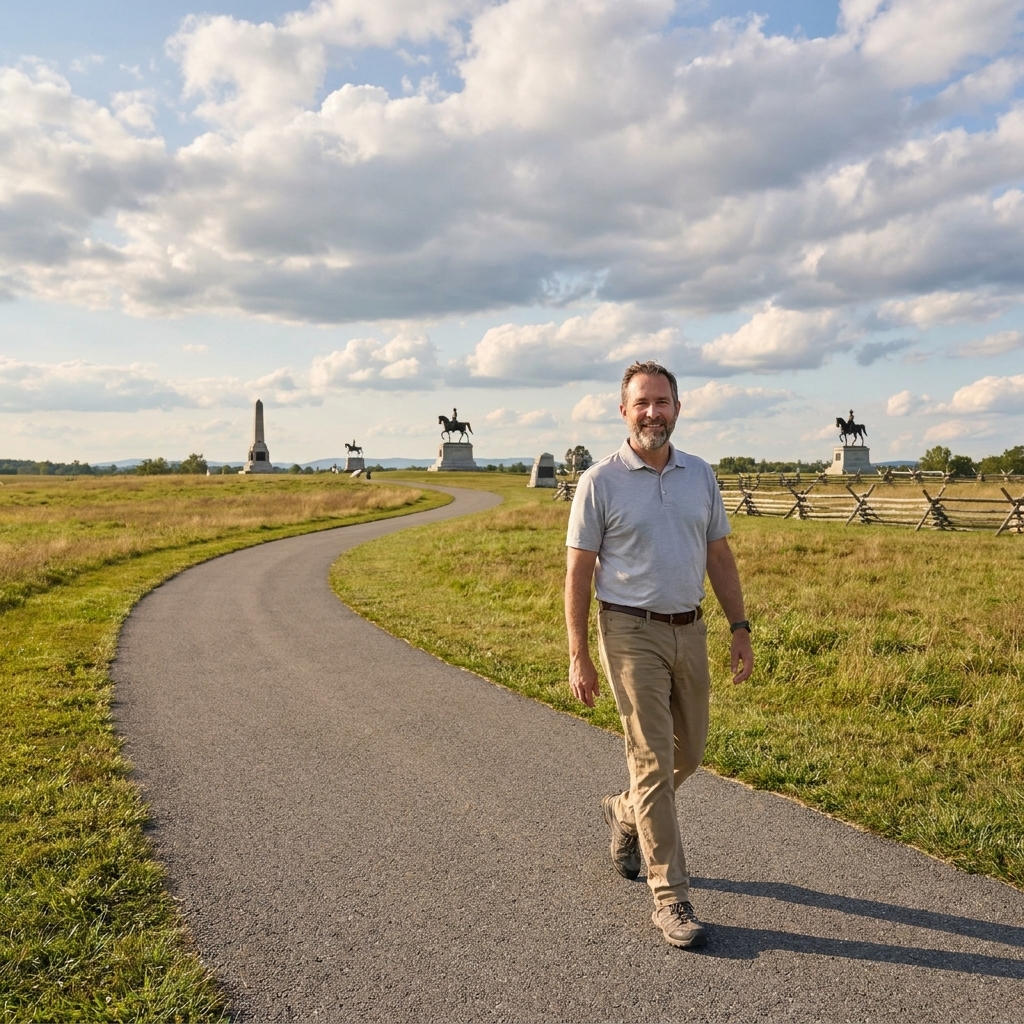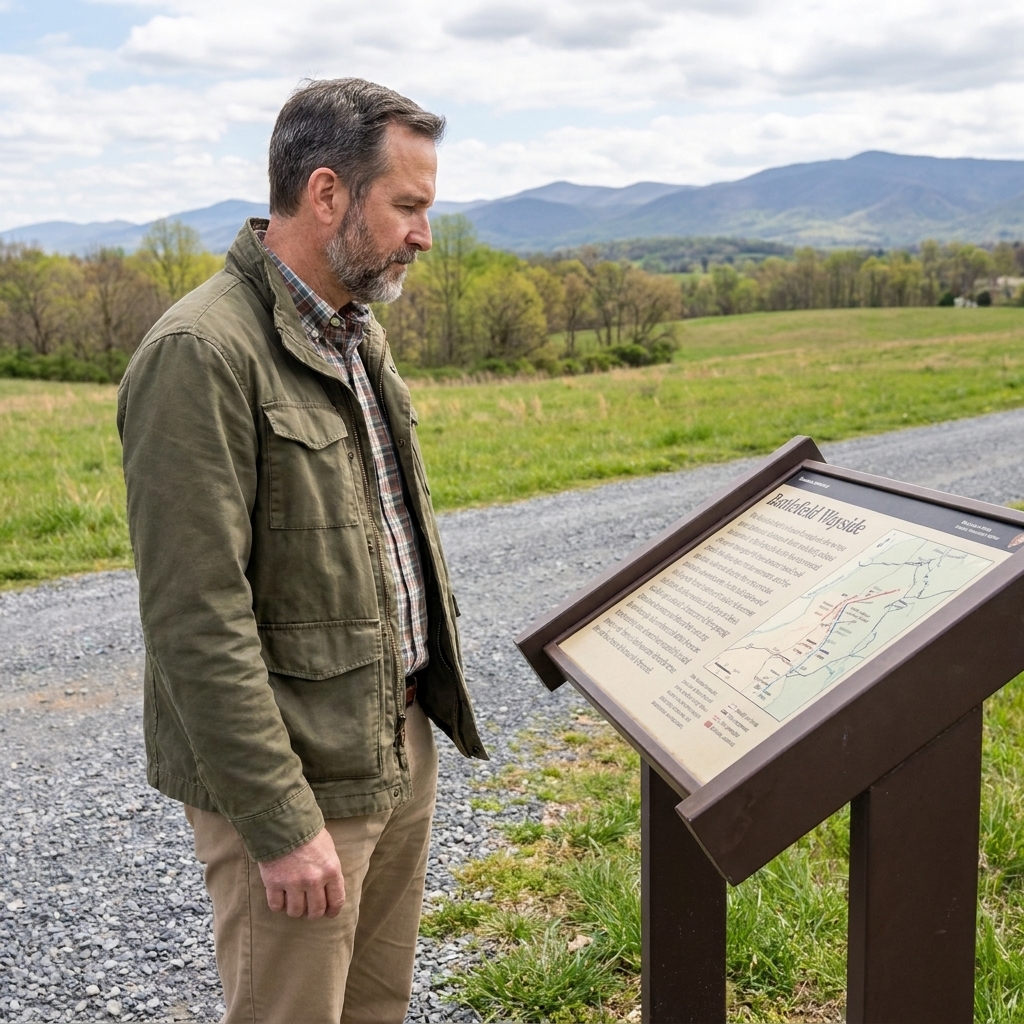

Leafless woods and low winter sun reveal the ground: ridgelines, swales, lines of sight, and movement routes. Learn how to walk battlefields for terrain, saf...
7 Lesser-Known Civil War Battlefields Worth Exploring Today

Silas Weaver
Silas Weaver has spent decades exploring historic battlefields, reading primary journals, and tracking down the lesser-known stories of the American Civil War. His lifelong passion for 19th-century history comes through in his engaging accounts of the places, people, and lingering questions of the era. He believes that walking the actual grounds where history happened is the best way to truly connect with the past.
Published · Last updated
I grew up close enough to Gettysburg that the place felt like a second hometown. As a kid I could not imagine needing any other battlefield. Then I started driving farther and wandering off the well-worn paths, following diary entries and old sketch maps until I found places where the land still does most of the talking.
The battles below are not “minor” in human cost or consequence. They are simply less visited, less commercial, and often more intimate. If you have ever wanted to stand in a soldier’s shoes without a crowd at your elbow, these are worth your miles.
Before you go
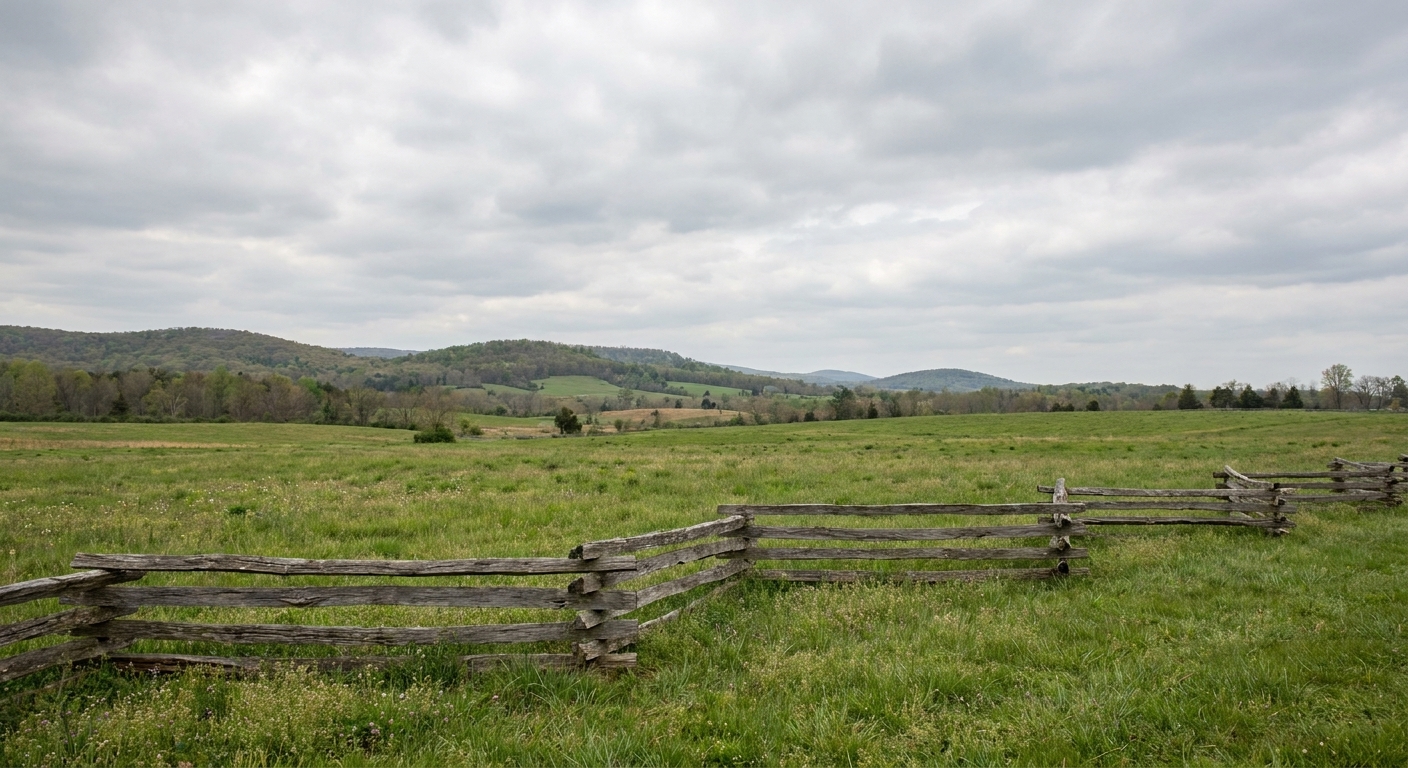
Most of these sites reward slow walking more than windshield touring. I try to arrive early, carry water, and bring a paper map or a downloaded park map because cell service can fade fast in rural areas.
- Give yourself time to walk. The best “aha” moments usually happen between interpretive signs.
- Read one primary account beforehand. Even a single letter or diary excerpt can tune your eyes to the ground.
- Plan the day like a battlefield, not a checklist. A good rhythm helps. If you want a simple structure, see Plan a Civil War Battlefield Day.
If you are traveling with family, I have learned a few tricks the hard way. This may help: How to Keep Kids Engaged on a Civil War Battlefield Trip.
1) Ball’s Bluff (Virginia)
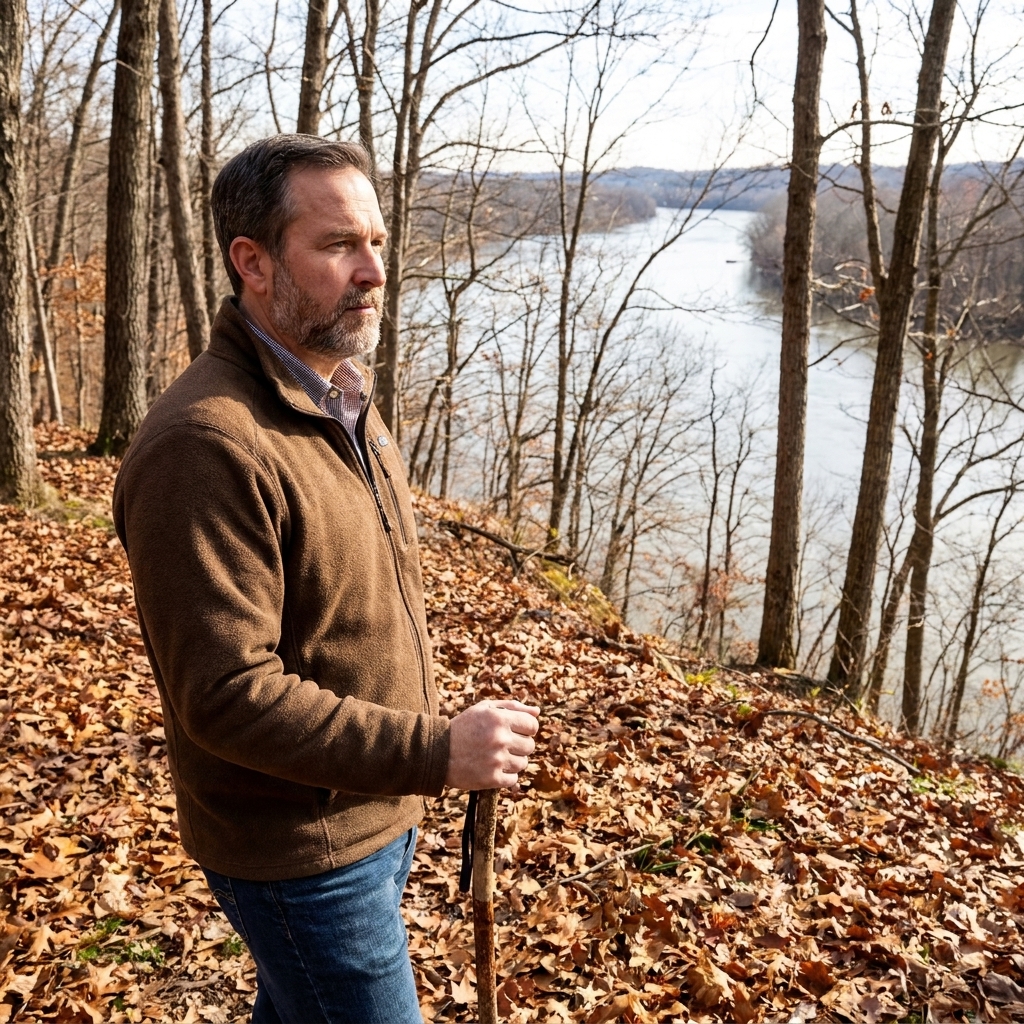
Just upriver from Washington, the Potomac bends past steep bluffs and quiet woods. On October 21, 1861, a Union reconnaissance and river crossing turned into a disastrous fight and retreat. Many soldiers were trapped against the riverbank, and the aftermath rattled public confidence early in the war and helped spur Congress to tighten its oversight through the Joint Committee on the Conduct of the War.
Today, Ball’s Bluff feels like a place you visit with your voice lowered. The terrain is the story: the slope down to the water, the constrained space, the sense of escape routes disappearing as you walk.
- Why it is worth the trip: You can physically understand how a battlefield becomes a trap.
- Look for: The bluff edge and the river corridor. Stand still and imagine the scramble of boats and the weight of wet wool uniforms.
- Visitor note: This is a walking site with trails through woods and along the bluff, and it rewards sturdy shoes more than a quick stop.
2) Glorieta Pass (New Mexico)
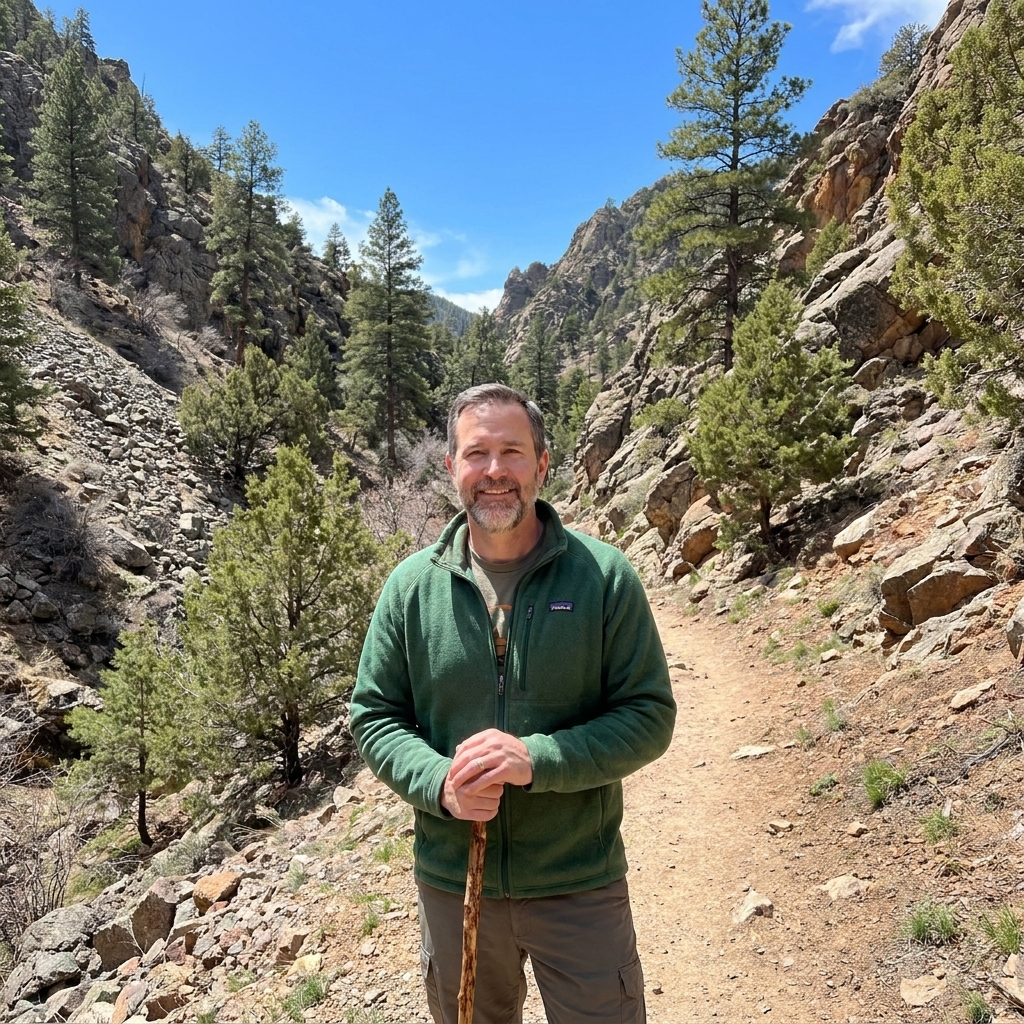
The Civil War was never only an eastern war, and Glorieta Pass is the proof people often forget. In March 1862, Confederate forces pushed into the New Mexico Territory, and Union troops met them in the mountain passes east of Santa Fe. The fighting was sharp and close, but the campaign’s fate turned on logistics when Union forces destroyed the Confederate supply train at Johnson’s Ranch, forcing a retreat.
Glorieta has a different soundscape than Virginia or Tennessee. Wind in piñon and juniper. The snap of elevation in your lungs. It makes the war feel suddenly larger, stranger, and more continental.
- Why it is worth the trip: A Western battlefield that connects strategy to simple supply and distance.
- Look for: The constricted pass and the way rocky ground breaks up formations and sight lines.
- Visitor note: Expect high-country sun and sudden shifts in weather. Even in warm months, bring layers and water.
3) New Market (Virginia)
In May 1864, the Shenandoah Valley was a vital granary and corridor. At New Market, Union and Confederate forces collided in rain and mud. The story most visitors hear involves the Virginia Military Institute cadets, many of them teenagers, who were sent into the line at a critical moment. It is a compelling chapter, but the larger battle matters too: the valley campaign, the pressure on Richmond, and the grim arithmetic of manpower.
What stays with me here is the ground underfoot. When conditions are wet, you can still feel why accounts fixate on mud and exhaustion. The landscape has a way of pulling you into the pace of the fight.
- Why it is worth the trip: A valley battlefield where you can read the action in the open terrain.
- Look for: Low rises, fence lines, and the way visibility changes when you drop into shallow swales.
- Visitor note: It is an easy place to spend a half day on foot. Even a short loop walk will teach you more than a quick drive-by.
- Pair it with: A drive segment from Jackson’s 1862 Valley Campaign Driving Tour to place the region in context.
4) Pea Ridge (Arkansas)
Pea Ridge, fought in March 1862, was a major factor in securing Missouri for the Union and stabilizing Union control in the Trans-Mississippi at a critical time. The battle sprawled across wooded ridges and rough roads, with units struggling to maintain cohesion as lines bent and snapped across the landscape.
This is one of those places where you realize how hard it is to fight in broken country. Roads become objectives. Clearings become lifelines. Sounds travel strangely in timber.
- Why it is worth the trip: A big strategic result in a region many travelers skip.
- Look for: How ridgelines and road junctions shape decisions. Stand at a road bend and ask yourself what you could actually see.
- Visitor note: The road tour is useful, but the story sharpens when you take a few short walks into the woods where the ground still feels close and cramped.
- Best time: Cooler months, when undergrowth is down and sight lines open up.
5) First and Second Saltville (Virginia)
Saltville is not a name most people learn early, but it should be. In southwestern Virginia, saltworks were a strategic resource, essential for preserving meat and sustaining armies. In 1864, Union forces struck at Saltville twice. The fighting was fierce, and the aftermath of the first battle included one of the war’s ugliest episodes: the killing of wounded Black Union soldiers, often associated with events at and around the Emory and Henry Hospital.
Visiting places like this requires a steady gaze. Not to wallow, and not to look away. The ground does not excuse anyone, but it can help you understand how war, ideology, and cruelty intersected far from the famous eastern capitals.
- Why it is worth the trip: A battlefield tied directly to wartime industry and the moral stakes of the conflict.
- Look for: The way terrain funnels movement through the valley. Think like a raider looking for infrastructure.
- Visitor note: Interpretation can be lighter here than at the marquee parks, so it helps to arrive with a little background and a willingness to read the landscape carefully.
- Read before you go: A short overview of Civil War life can help frame why salt mattered. Start at Guide to Civil War Life.
6) Mill Springs (Kentucky)
In January 1862, Mill Springs was an early Union victory in the Western Theater, helping crack the Confederate defensive line in Kentucky at a time when the war’s outcome still felt uncertain. The battle played out in cold rain and winter misery, the kind that seeps into everything and turns marching into a punishment.
Mill Springs is a good place to think about how much of soldiering was simply enduring. Before the shooting, there is always the weather. Before the charge, the hunger and the wet blankets.
- Why it is worth the trip: A consequential early battle that helps explain why 1862 unfolded the way it did.
- Look for: Low, rolling ground and the sense of exposure in winter conditions.
- Visitor note: Amenities are usually modest, which makes preparation part of the visit. Bring water, and do not assume you will have cell signal everywhere.
- To deepen the visit: Spend a few minutes with what the men ate and carried. I keep coming back to Civil War Soldier Rations: What Troops Ate on the March.
7) Honey Springs (Indian Territory, present-day Oklahoma)
Honey Springs, fought in July 1863, is one of the most important battles most Americans have never heard of. It involved Union troops, Confederate forces, and Native nations whose wartime choices were shaped by survival, sovereignty, and pressures that predated Fort Sumter. The Union victory helped secure control of Indian Territory and disrupted Confederate influence in the region.
This is a battlefield that challenges the tidy, east-centric mental map many of us inherit. It forces you to widen the frame and recognize how many communities were caught in the war’s pull.
- Why it is worth the trip: A vital Western battle that expands what “the Civil War” means.
- Look for: The lay of the land around creek crossings and open fields, and consider how summer heat changes everything.
- Visitor note: On-site interpretation can be limited compared with the big-name parks. I find it is best approached as a quiet walk with the history in your pocket and the horizon doing its own explaining.
- How to approach it: Read interpretive materials slowly and let the complexity stand. This is not a place for simple slogans.
What to bring
These smaller sites often have fewer amenities, which is part of their charm and also part of the planning.
- Binoculars: To read ground and spot distant markers without rushing.
- Bug spray and sunscreen: Especially in creek bottoms and summer grass.
- A thermos and a simple lunch: I like to eat on site and keep the mood of the place.
- A notebook: Write down what the terrain explains. You will forget the details by the next state line.
If you want to build a trip around several of these kinds of stops, start with Guide to Battlefield Travel. If your interests run toward earthworks and the scars armies left on the land, you might also enjoy Exploring the Trenches of Petersburg, even though Petersburg itself is hardly unknown. For a ready-made stitching of sites closer to the capital, 3-Day Virginia Civil War Battlefield Road Trip can also be adapted into a quieter itinerary by adding smaller stops and longer walks.
A final thought
Famous battlefields deserve their fame. I will never stop making time for Gettysburg, Antietam, or Shiloh. But the lesser-known places offer something different: room to listen, room to imagine, room to let the landscape do its quiet work.
If you visit any of these, do it the old-fashioned way. Walk. Pause. Read the ground like a letter written in dirt and stone, and let the silences say what the signs cannot.
For more context on how these fights fit into the broader military story, browse Guide to Battles.